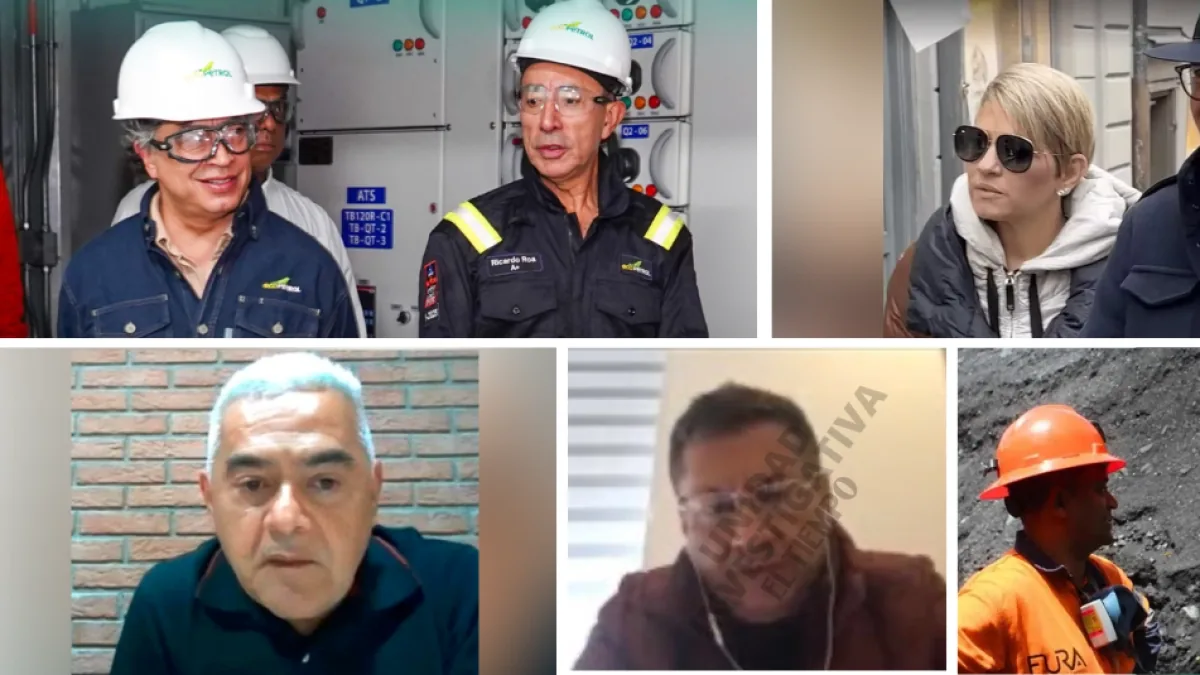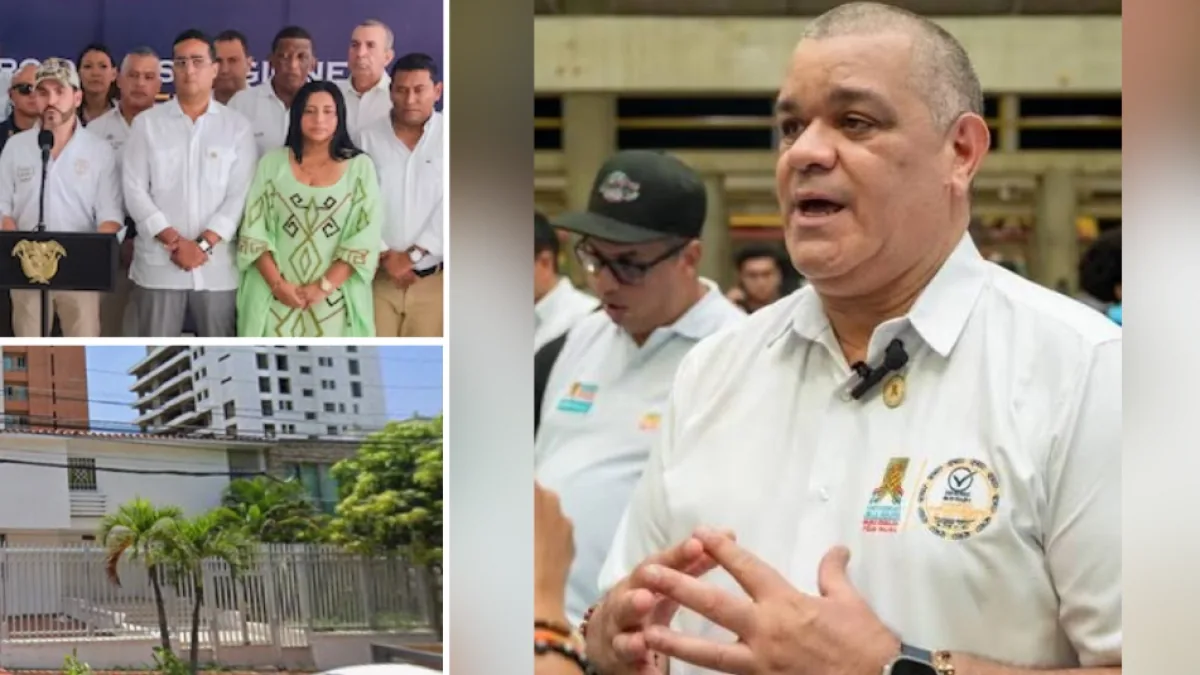



Amid the recent replacement of several vice presidents of Ecopetrol, including heads of the powerful subsidiaries Hocol and Cenit, a handful of internal informants have started to appear fluidly, with evidence in hand, about alleged irregularities in multimillion-dollar deals that knock on the doors of the Casa de Nariño when Gustavo Petro was still its guest.
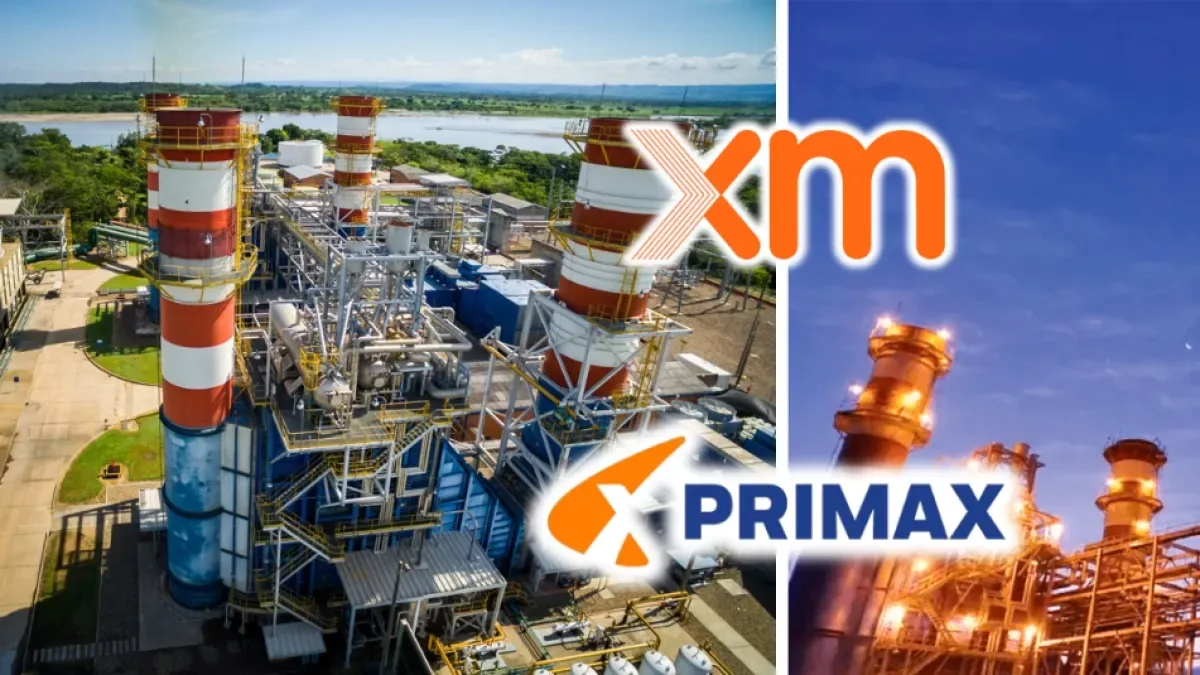
According to information that has even begun to be provided by executives of the Ecopetrol Group, as the Petro government was ending, several moves were made to secure multimillion-dollar gas purchase deals, which even included bribe offers equivalent to 40 cents of a dollar for every million cubic feet traded, under the urgency of the blackout caused by the El Niño phenomenon.
Pressures from the Palace

In one of the cases, Bayron Triana is mentioned by name, until a few weeks ago vice president of Energies for the Transition, very close to Ricardo Roa, the former strongman of the state company. However, Triana gave EL TIEMPO an explosive statement in which he assures that the pressures came directly from the Casa de Nariño, that he was the one who stopped those deals, and that he was even threatened with being fired.
Triana had already been in the eye of the storm last March for his alleged connection with a swarm of companies in the energy and gas sector, revealed by this newspaper, which he denied.
And now, EL TIEMPO’s Investigative Unit has exclusively learned of complaints that are already in the hands of the state company’s board of directors – headed by former minister Luis Felipe Henao – to be integrated into the anti-corruption forensic audit carried out by Ricardo Rodríguez Yee, whose seat on the board they tried to move.
Houston and email

The complaints indicate that Triana began to monitor and pressure for the approval of an unsolicited liquefied gas sale offer, which arrived at Ecopetrol’s Houston office (United States) on May 8.
“That Friday, an unsolicited offer from the firm Sycar appeared, which we were told was sent and recommended by Bayron Triana. The instruction was to explore a direct negotiation, arguing that Ecopetrol S. A.-Colombia was under the Guarantee Law, but the USA was not subject to that ban,” reads one of the complaints and was confirmed to EL TIEMPO’s Investigative Unit by a senior executive.
In fact, he attached the email they received from Sycar LNG. S. A., a company of Ecuadorian origin, with participation from the Chilean LipiAndes.

The first version is that the matter began to raise doubts at Ecopetrol USA because just a few weeks earlier an open tender in Ecopetrol Bogotá had failed, as the prices were higher than what customers were willing to pay.
Stop and anonymous

“In response to Bayron’s request and the complaints EL TIEMPO had published on July 10, where gas and Houston were mentioned, the manager was instructed to open a process to compare offers,” explained the executive.
And although Sycar (which had participated in the tender that failed due to prices) had the best offer, in the end, the best gas option for Buenaventura and the Caribbean was that of the firm 61-C and, in third place, Shell.

“Then, we realized that in Bogotá Bayron had opened a third process for the purchase of gas molecules and that Houston would enter into a conflict seeking the same gas. Also, we never knew why an unsolicited offer arrived for the USA and not for Bogotá,” explained the same source. Finally, the process was stopped at the end of July 2026.
‘I am the victim’

Given the seriousness of the complaints, EL TIEMPO’s Investigative Unit contacted Bayron Triana, who said it is false that he pressured the direct purchase of gas and was emphatic that he is the victim in this matter.
“I never requested the Houston office to contract directly with Sycar or any other company, nor did I give instructions to use that office to circumvent the Guarantee Law,” he explained.
And he recalled that in a public statement by then-president Gustavo Petro on July 21, he was questioned for not advancing a direct gas negotiation: “That precisely shows that such authorization was not given during my administration.”
Indeed, during the National Risk Management Council, Petro said: “Mr. Hurtado (Juan Carlos Hurtado, acting president of Ecopetrol) has to answer to Colombia. He must allow the importation of gas now, because Mr. Byron (Triana), I don’t know his name, somewhere in one of those posts they have, is waiting to see if he can make ‘little deals’ in Abelardo’s government.”

But Triana admitted that there were pressures: “What did happen was that I received multiple messages and pressures related to the possibility of authorizing a direct gas purchase. I was even told that my tenure could be affected if that operation did not advance and later I received messages suggesting I resign or face media exposure, as I have suffered, based on false information that the authorities will address in due course. My management was transparent.”
‘From the wing of ‘the dancer”

When asked where those pressures came from, he said: “From the Presidential Palace, through emissaries.” Regarding this, an informant said that the Catalans close to then-first lady Verónica Alcocer were asking about the matter: “They were people from Verónica’s wing or ‘the dancer,’ as they call her.”
Besides the seriousness of Triana’s statements, the case gains relevance because he left a new gas purchase process ongoing. Regarding this, he said: “I requested the support of Ecopetrol’s Compliance area and informed the chairman of the Audit Committee of the board about the need to preserve the transparency of these processes. Once the Guarantee Law period ended, I carried out public, open, competitive, and transparent gas acquisition processes.”
Finally, he said his resignation was voluntarily submitted on July 22, to prevent the pressures surrounding the gas contracting from affecting his independence or casting doubt on the credibility of a process essential for the country’s supply.
Sycar speaks

EL TIEMPO’s Investigative Unit contacted Rafael Jaramillo Pita in Guayaquil (Ecuador), shareholder and president of Sycar, who began by admitting that, indeed, they sent the unsolicited offer to Ecopetrol US Trading. After stating that it was not an unusual practice, he was emphatic that they knew the market opportunity, because they had already participated in the initial tender at Ecopetrol Bogotá, which failed, and they knew Colombia’s need due to the imminence of the El Niño phenomenon.
He also ruled out that anyone had given them privileged information about the Guarantee Law or other matters. And although he said he did not remember why they chose to go to Houston, he emphasized that they are now participating in the new process.
(Check out all the articles from EL TIEMPO’s Investigative Unit here)
For now, the oil company is evaluating the case to determine whether to send it to the Prosecutor’s Office and even to the Chamber’s Commission of Accusations, the natural judge of former presidents.
INVESTIGATIVE UNIT
u.investigativa@eltimpo.com
@UinvestigativaET
Follow us now on Facebook
Read more President Abelardo De La Espriella proposes halving traffic fines and other road procedures