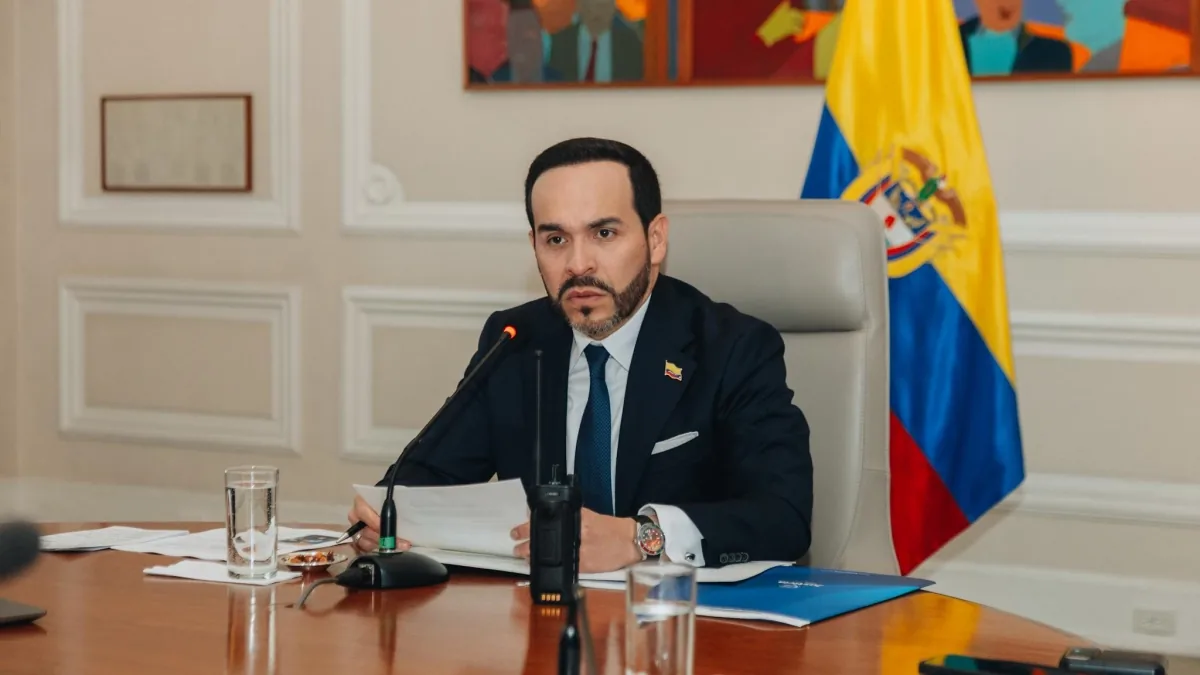




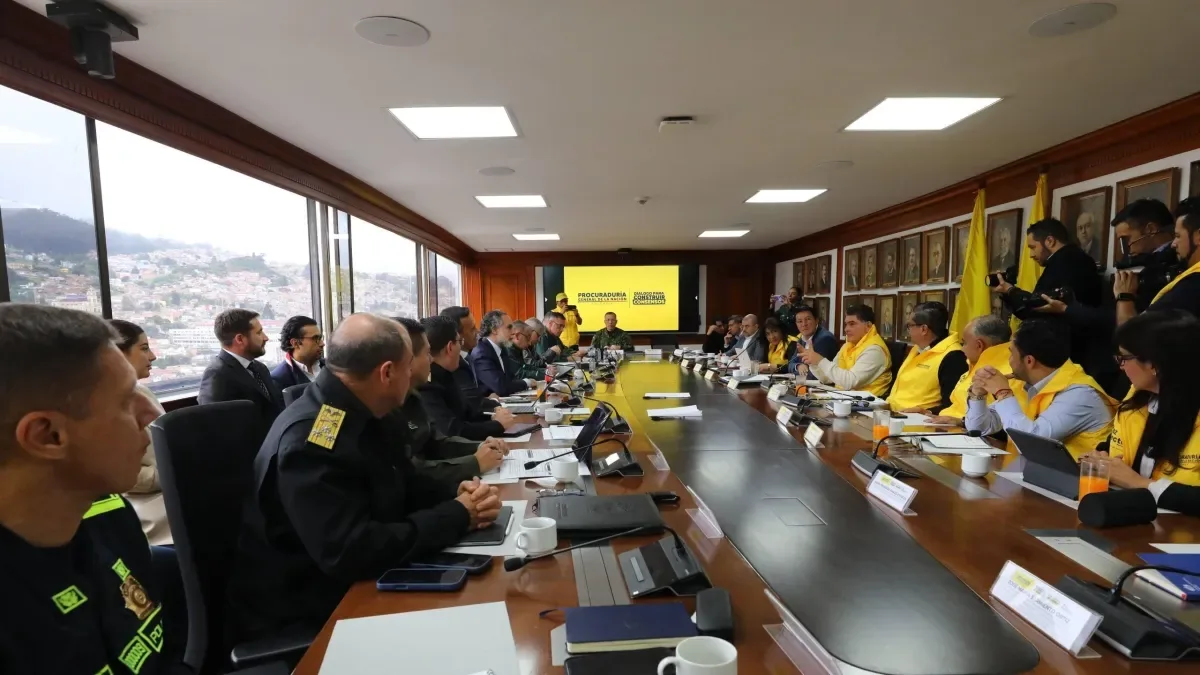
In the eighth session to discuss the ‘Democracy Plan’, with which authorities have been safeguarding this year’s elections, the Attorney General, Gregorio Eljach, yesterday presented an overview of the main risks and achievements for the second presidential round, which will take place next June 21. The head of the Public Ministry hosted the meeting, which was attended by registrar Hernán Penagos; the Minister of Interior, Armando Benedetti; the Minister of Defense, Pedro Sánchez; members of the military and police high command, and spokespersons for organizations such as the Electoral Observation Mission (MOE).
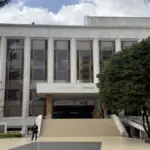
Among the main conclusions of the meeting at the main headquarters of the Attorney General’s Office is that “the institutional conditions for the second presidential round on June 21 are in place,” but that “disinformation (or fake news) represents the main risk factor,” and they announced immediate verification and monitoring actions throughout the national territory. Registrar Penagos and Ministers Benedetti and Sánchez supported these theses from the control body.
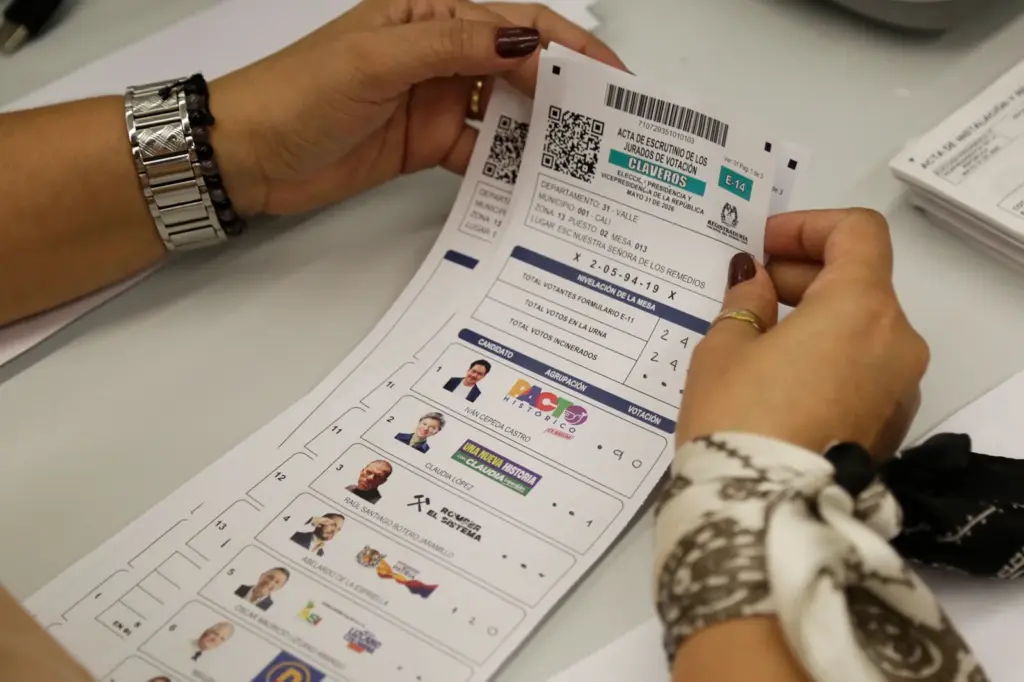
For Eljach, the electoral calendar designed by the National Registry comes with “a line of success that began with the atypical elections of 2025, continued with youth elections in municipal areas, party consultations, the legislative elections of last March 8, and also the first presidential round on May 31. Therefore, Colombians cannot allow themselves to be deprived of the right to hold and have peaceful elections.” Likewise, the Attorney General invited governors and mayors across the country to conduct a sweep of how the electoral organization is progressing in each municipality, to identify where reinforcements are needed.
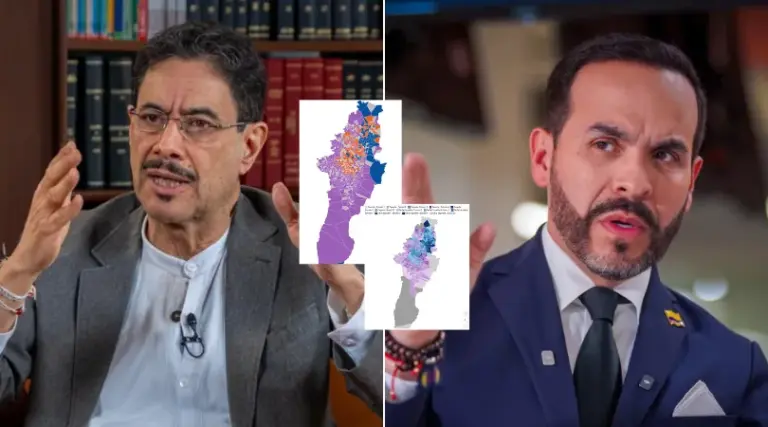
The meeting comes at a key moment for the country’s institutions, especially for the electoral system. President Gustavo Petro has been disregarding the pre-count results that placed Abelardo de la Espriella and Iván Cepeda in the second round of the presidential elections. Both the pre-count and the scrutiny concluded without major setbacks or claims that would alter the results.
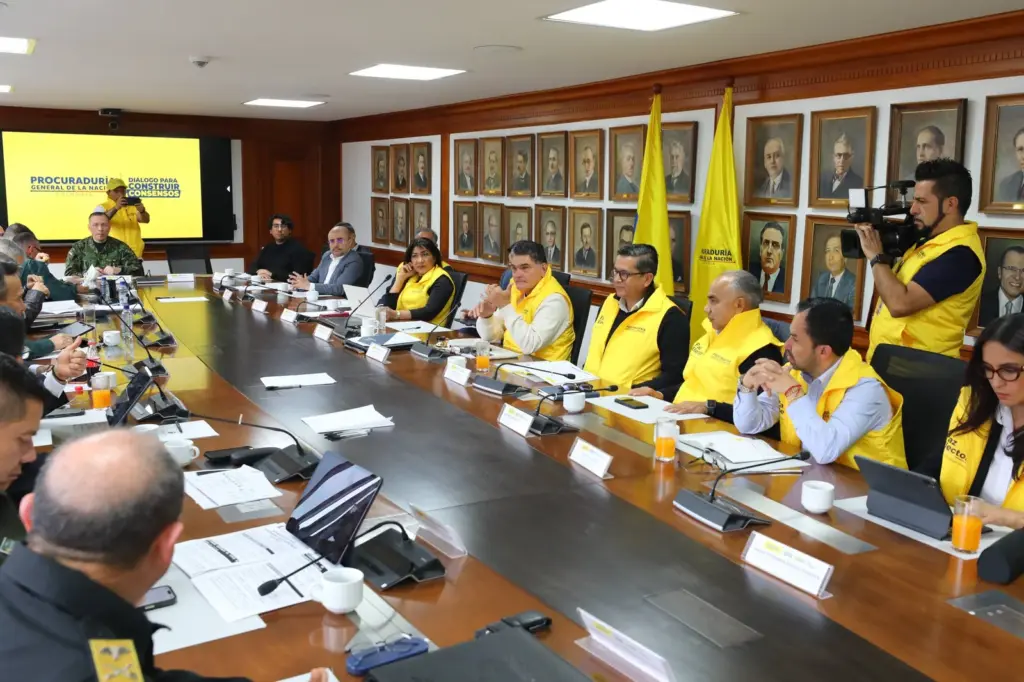
Eljach has been monitoring the organization of the various elections held this year. For this, he designed a strategy called Electoral Peace, with which he seeks to ensure citizens can vote freely, safely, and transparently.
Alongside this strategy, President Petro’s government designed the ‘Democracy Plan’, which has the same goal of safeguarding the elections for Congress and the Presidency of the Republic. The leaders of this plan are the Ministry of Interior, the Ministry of Defense, and the Military Forces, who have relied on the Registry to strengthen institutional presence in all regions of the country.
Other details of the meeting
Sources with access to what happened at yesterday’s meeting told EL TIEMPO that there was an exchange of messages between registrar Penagos and Minister Benedetti. The head of the Interior portfolio mentioned the issue of alleged irregularities in the electoral census, and Penagos asked him if he was affirming or inquiring about that version, emphasizing that President Petro has been informed in various forums that there are no irregularities whatsoever regarding the census.

In fact, the national registrar took the opportunity to resolve doubts about an alleged illegal entry of 885,409 ID cards into the electoral census, a theory that only the head of state has mentioned so far. Both the Registry and the MOE dismissed these versions, as there are no records of modification to that census.
The Minister of Defense stated that the ‘Democracy Plan’ has allowed the Military Forces and the Police to evaluate national security from different strategies. The high-ranking government official’s intervention focused on reviewing the control operations that will be deployed throughout the country during the election day.
According to sources, it was assured that there are 250,000 men and women assigned to different forces who will remain vigilant regarding security throughout the national territory. In this regard, the bombing that occurred a few days ago in Guaviare is highlighted, which became the 23rd by the Petro government against illegal groups.
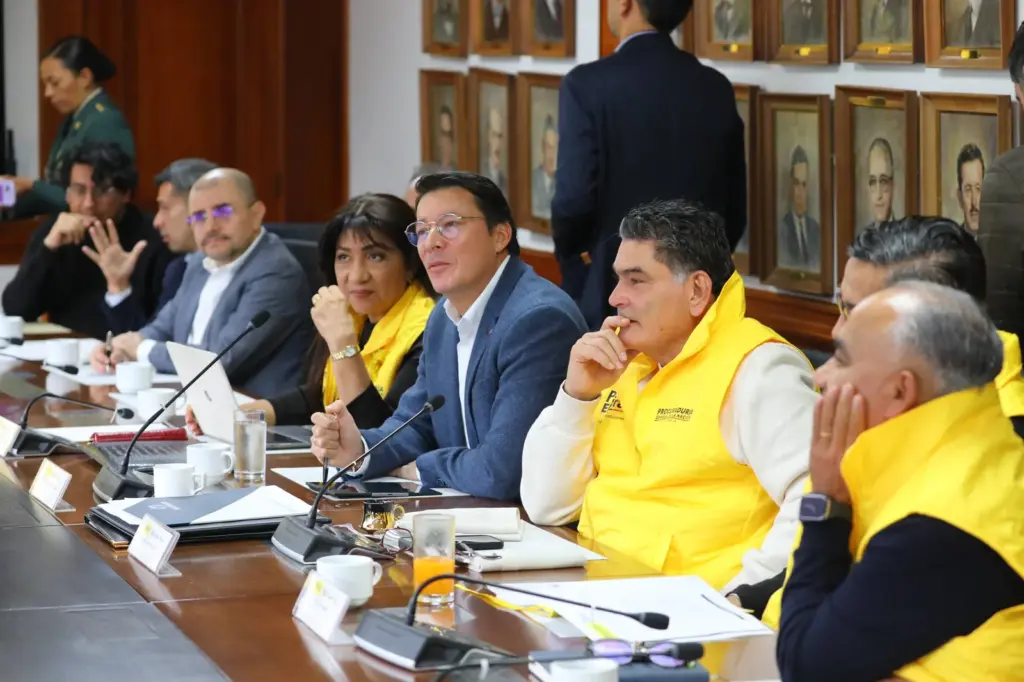
However, during the session, there were a couple of interventions from the Military Forces focused on closely monitoring possible disturbances in certain territories of the country, which they aim to reach to prevent any attack. This information about possible disorders during the electoral period coincides, according to a source, with the marches that have been announced against the Registry.
“The idea is that for this second round, what happened in Gamarra, Cesar, will not occur,” stated an official who had access to the meeting. In that municipality, on October 28, 2023, there was an attack on the Registry’s facilities that left one woman dead and several injured.
At the close of the meeting, Minister Sánchez reiterated the economic incentives provided by the National Government to strengthen citizen collaboration against possible threats to the elections. “Rewards of up to 50 million pesos are offered for information that helps combat electoral crimes, up to 200 million to prevent possible terrorist attacks, and up to 1,000 million to protect all candidates,” he stated.
The head of the Defense portfolio also provided an overview of the actions carried out this year within the ‘Democracy Plan’. As reported, during 2026, more than 700 complaints have been received through the anti-corruption hotline 157, and authorities have seized 3.878 million pesos that were allegedly intended to influence the elections. The results, Minister Sánchez indicated, are part of the prevention and control efforts undertaken to protect the integrity of the electoral process.
Next week, spokespersons from the Colombian Association of Capital Cities (Asocapitales) will meet with the Bogotá Mayor’s Office and the Attorney General’s Office to review the situation in the regions. Another meeting with the Electoral Monitoring Commission is also scheduled.
You may also be interested in:
Carlos López y Jesús Blanquicet – @JusticiaET
Read more Inflation in Colombia continues to rise: in May it was 5.84%