





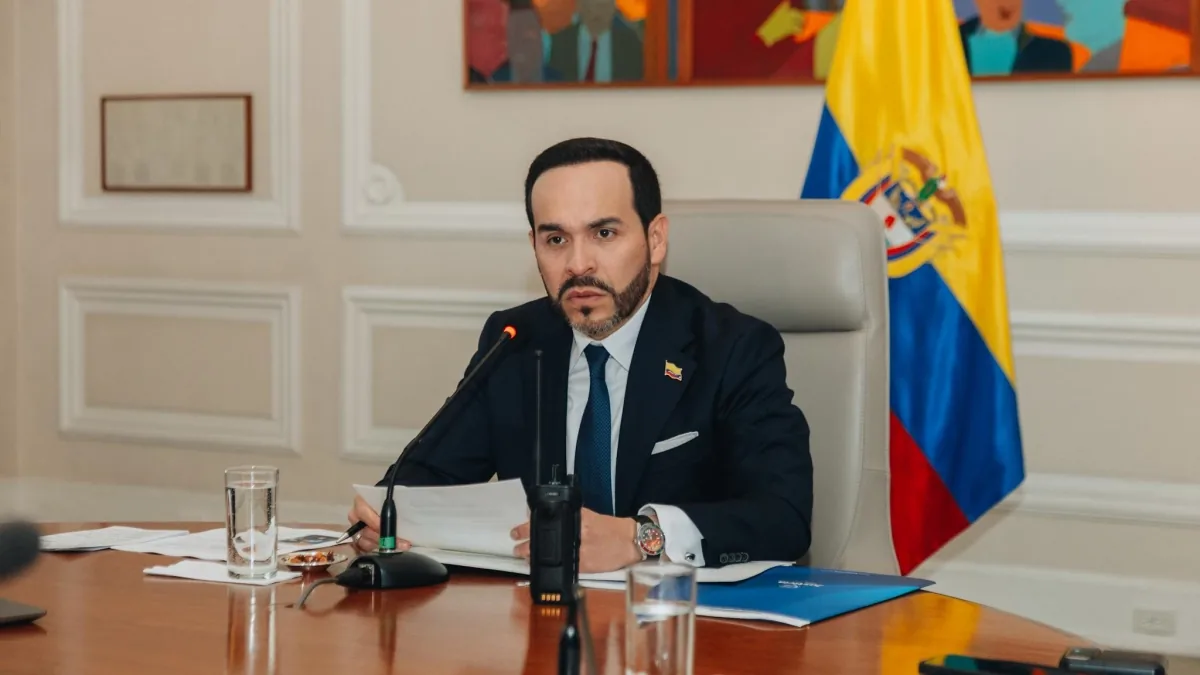
President Abelardo De La Espriella launched a strong attack against the administration of Gustavo Petro by describing the current economic situation of the country as an “apocalyptic crisis” and promising radical actions to audit public finances.
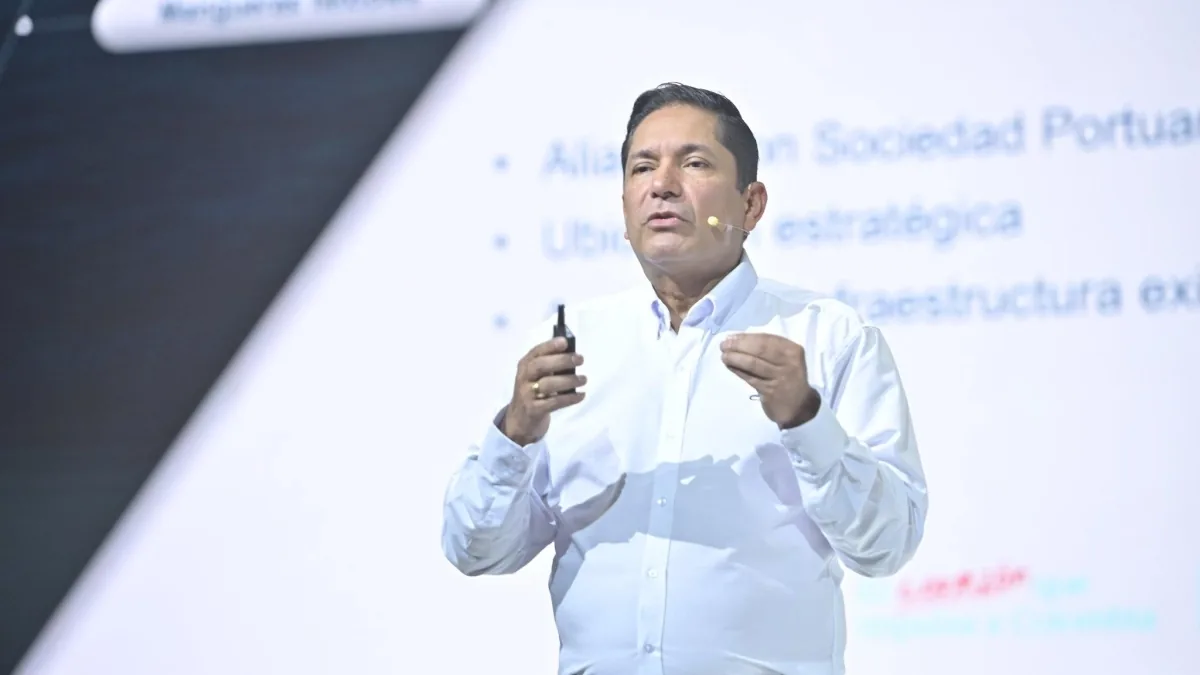
During his speech this Sunday, the head of state stated that his government received the public finances in a “lamentable state,” which requires urgent measures. “We inherited a critical fiscal situation,” he added.
De La Espriella warned that the situation is not due to external factors, but to previous management. “The fiscal crisis facing the country is not an accident nor the result of external factors, it is exclusively the responsibility of Gustavo Petro’s government, of its wastefulness and corruption,” the president asserted, adding that illegal decisions were made that left Colombia “on the edge of the abyss.”
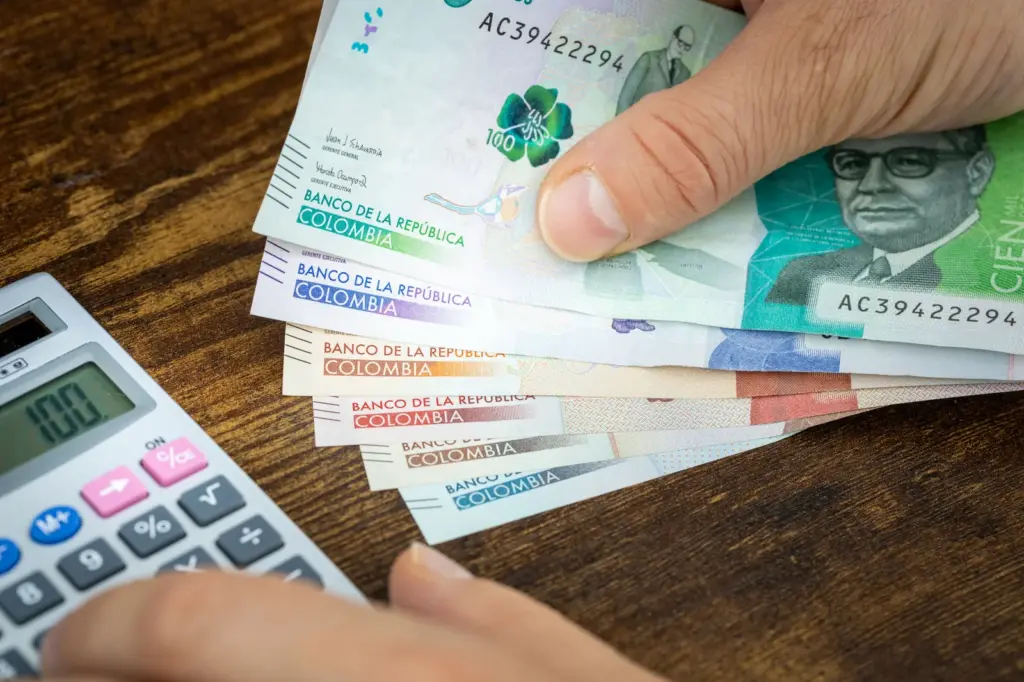
“No past crisis or recession compares to the economic disaster caused by Gustavo Petro and his people,” the president added in his speech.
In that sense, he emphasized that Colombia cannot and should not pay for actions of “fiscal irresponsibility with which they plundered the country, with which they looted the treasury.” According to the president, in just one week, the Petro administration committed 10 trillion pesos to increase public spending instead of promoting investment. “That money was not going to investment, nor to works, but to the massive theft of the public treasury,” he asserted.
President De La Espriella’s speech was marked by the promise to bring before the authorities those responsible for the previous budget execution. He assured that the manipulation of accounting information and the misuse of state resources will be investigated.
“We will relentlessly pursue those responsible for this disaster, those who lied about the figures, those who compromised Colombia’s future, and those who turned the treasury into loot; they will be held accountable. I will not leave you in peace, I’m coming for all of you,” the president assured.
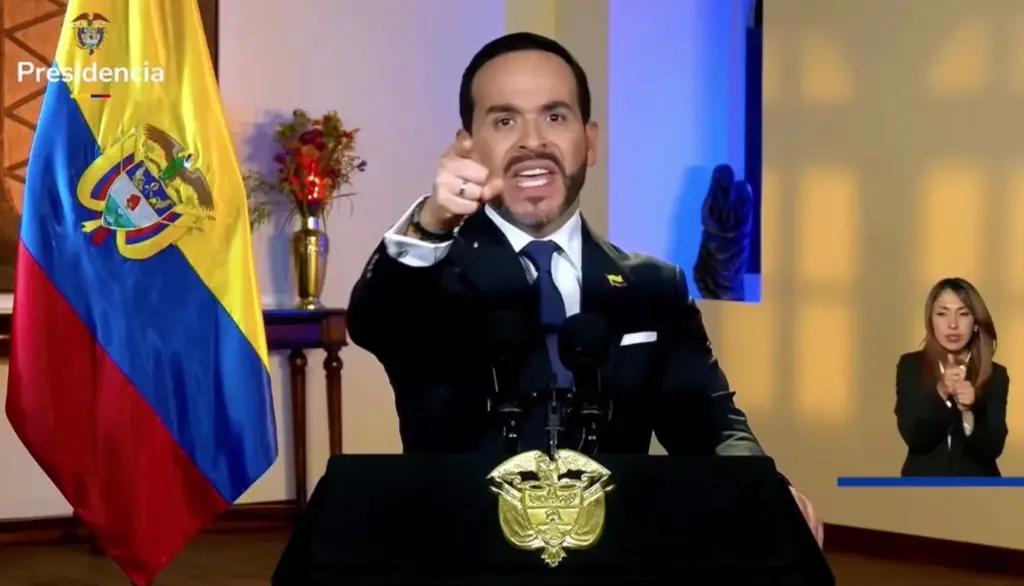
To support the seriousness of the diagnosis, the President detailed that in recent years the country spent more than it could pay and irresponsibly resorted to debt. The debt service doubled in a decade, going from allocating one out of every six pesos of income to debt payments, to about one out of every three pesos currently.
According to the president, there was such “waste and mismanagement” that the debt ceiling planned to finance the entire 2026 was executed prematurely, reaching close to 97 percent usage in the first seven months of the year.
In this scenario, the National Government presented to the Congress of the Republic a General Budget of the Nation for 2027 amounting to 634.9 trillion pesos, an amount that the joint economic commissions must debate and vote on before Tuesday, September 15.
The environment in the Legislature looks favorable for the presented figure, despite initial reservations generated by the increase compared to the previous government’s proposal (of 575.6 trillion pesos), a version that was returned at the request of the new administration.
Of the total amount presented, about 281 trillion pesos (44.2 percent) come from debt, while 300 trillion pesos correspond to current income. “Almost half of the budget will depend on borrowed money. And we are paying it with drip-by-drip interest,” De La Espriella questioned.
He also highlighted that for 2027 the debt service will reach 155.4 trillion pesos, which means that for every 100 pesos of the budget, 24 will be allocated to debt payment and only 14 will be available for investment. This outlook leaves “a state with more obligations, more debt, and less capacity to respond when the country really needs it.”
Faced with this situation, the head of state stated that the adjustment measures being implemented aim for the economy to grow again, for which he considered it essential to “stop spending freely”.

In his intervention, he emphasized the urgency of recovering private investment, generating confidence, and suspending the model of artificially sustaining economic growth through public spending and debt.
However, he clarified that austerity will not be the only path to recovery. “We are not going to get Colombia out of this apocalyptic crisis solely by cutting spending. Colombia needs to grow its economy again, for which private investment is needed, for projects and companies to return,” he pointed out.
Finally, the president reaffirmed his administration’s commitment to accounting discipline: “We will put the accounts in order, regain control over public money, fight waste and corruption, and above all, we will make Colombia grow again the right way with investment, companies, employment, and wealth generation.”