







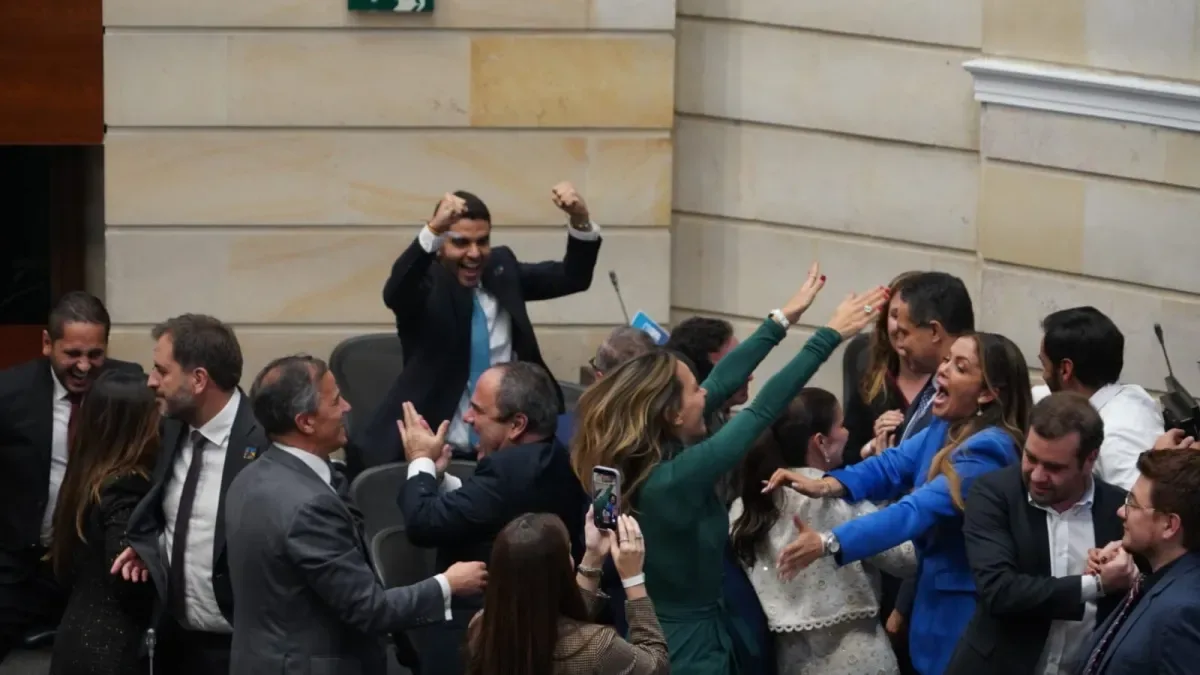
With the unprecedented support of ‘petrismo’, former president Álvaro Uribe Vélez won the pulse for the most important position in Congress with the victory of the Samarian Honorio Henríquez as president of the Senate, inaugurating the incoming government of Abelardo De la Espriella with a defeat in the Legislative, even before taking office. Although the result does not imply a rupture between right-wing sectors —the Democratic Center insisted on its decision to be a government party—, it does anticipate that the construction of majorities and the governability of the new Executive will be far from a clear path.
While ‘abelardismo’ seeks for the National Electoral Council (CNE) to give the green light for the Defenders of the Homeland movement to become a political party to carry the banners of the right, ‘uribismo’ demonstrated on the night of July 20 that it remains one of the main forces in the Capitol.
Henríquez won with 56 votes against 45 for Alfredo Deluque from La Guajira, the candidate who had the backing of the president-elect, but who did not have Uribe’s affection, who considered that the dignity corresponded to his party as the majority government bench. The result marked an unprecedented event: for the first time in many years, an incoming government failed to bring its preferred candidate to the presidency of the Senate for the first year of its mandate, considered key for the processing and approval of the Executive’s legislative agenda.
“Although the right-wing alliance has not broken, the government is inaugurated with a defeat. If Abelardo thought he could unilaterally appropriate a unique leadership, he was mistaken. A subtle co-government has been installed in Casa de Nariño,” stated former senator Humberto de la Calle.
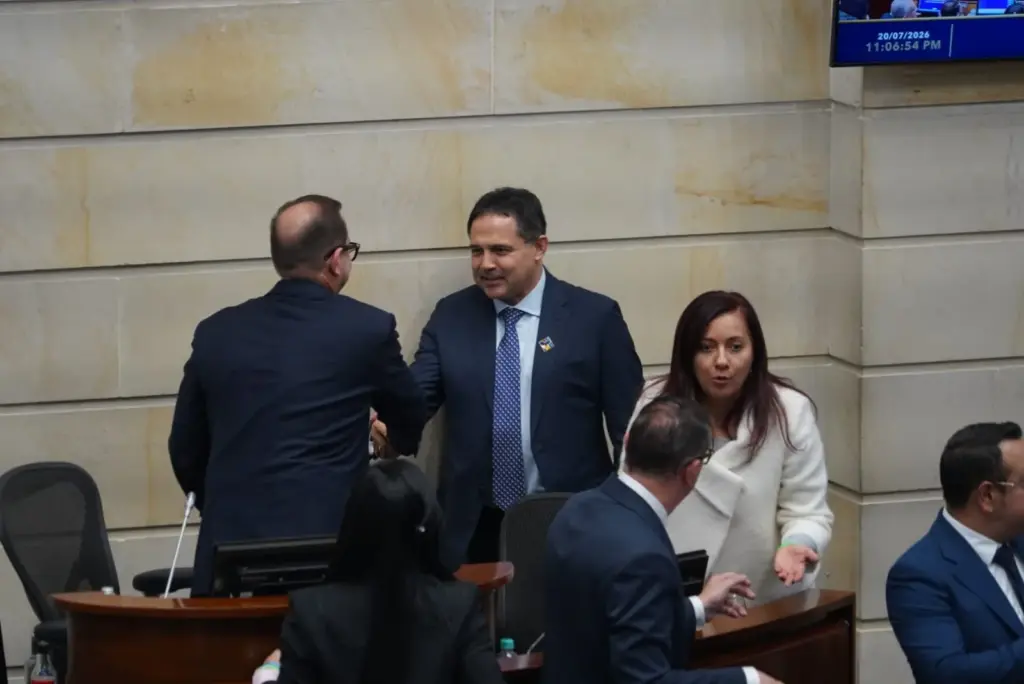
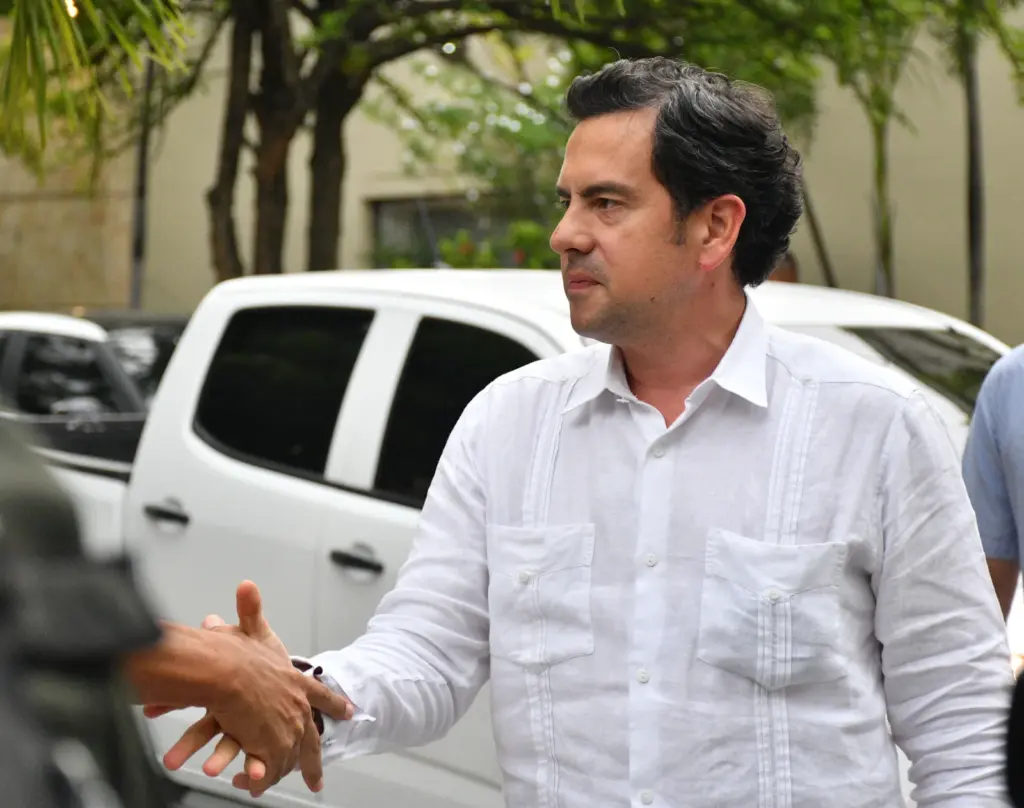
For political analyst Pedro Medellín, the incoming government of Abelardo De la Espriella opened an unnecessary struggle for its own interests. In his opinion, the president-elect had a sufficient majority in Congress and had no need to dispute the presidency of the Senate, a position that, by political tradition, usually corresponds to the government party with the largest representation in that corporation.
“One must take on the necessary fights, not the invented ones. The president-elect had a guaranteed majority in Congress; there was institutional stability. The agreements were that whoever wins the majority of seats as a government party goes to the presidency of the Senate. When the elected government arrives, it believes it has the political strength to impose its rules of the game. Machiavelli said that conflicts are taken on when necessary, not when vanity dictates. They did not measure that neither ‘petrismo’ nor ‘uribismo’ liked the idea,” Medellín stated.”
After the election, both the Democratic Center and the incoming government sought to de-escalate the dispute, aware that they share a good part of their legislative agenda. “We are ready to work harmoniously, respectfully, and constructively with the new steering committees,” wrote the designated Minister of Interior, Rodrigo Lara, who had taken on the task of securing Alfredo Deluque’s election.
Along the same lines, the new president of the Senate ruled out that the voting result reflects a dispute over right-wing leadership. “We have not entered into any right-wing dispute. We have a consolidated party, a majority bench, a trajectory,” Honorio Henríquez told EL TIEMPO.
However, political scientist Alejandro Chala has a different view. “Uribismo will sell its support to the new elected government dearly, and it will also strike where it hurts if Abelardo De La Espriella continues his attempt to fragment and break the Democratic Center. For now, Uribe is not giving up on losing the party, nor on losing the dispute for dominance of the new right-wing factions,” he asserted.

The support of ‘petrismo’
As mentioned before, Henríquez’s triumph would not have been possible without the block support of the senators from the Historical Pact, the main ideological contender of the Democratic Center. The protagonists of the day and several analysts agree that it was a strictly circumstantial alliance, built for this vote, and not a political agreement anticipating joint action in Congress.
“For the Pact, this circumstantial partnership with its historical competitor allows it to de-capitalize De la Espriella and position itself as an indispensable partner. There is no programmatic convergence. There is tactical fusion,” opined political scientist and historian Guido Hurtado.
For Chala, the Pact demonstrated with this move that it will use the same veto tools that independent parties and the opposition used against them when they were in government between 2022 and 2026. “It is certain that they will seek to pressure with the majority benches they possess and by articulating the Greens and a sector of the Liberals to prevent the government from easily moving its legislative agenda, especially the “counter-reforms” they have promised,” he said.
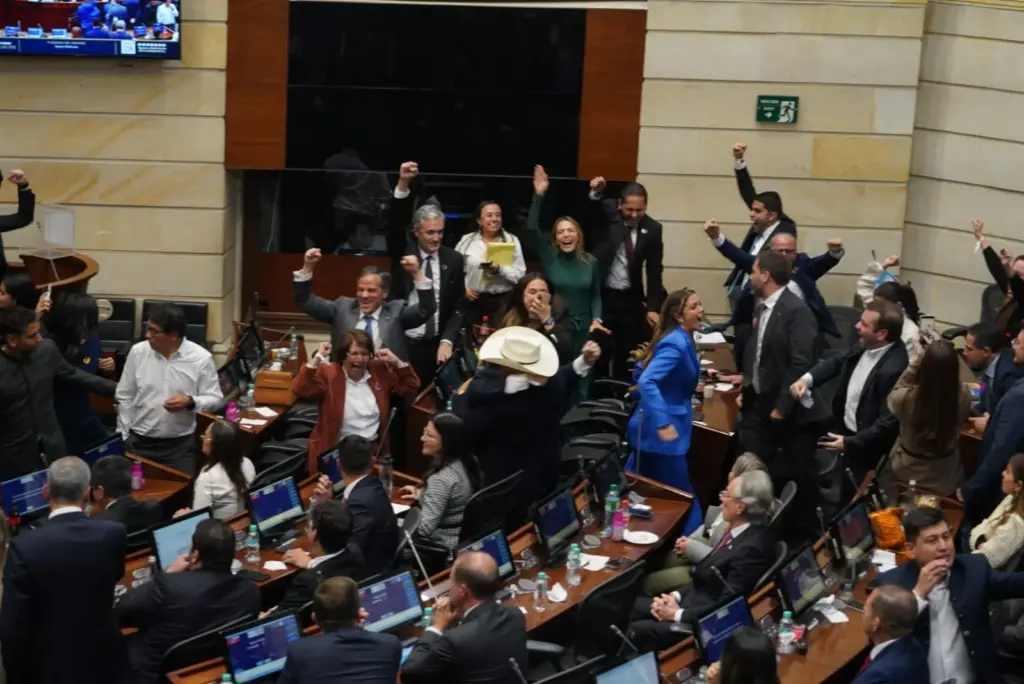
A final reading of the July 20 session suggests that the Senate once again demonstrated independence from Casa de Nariño. “Politically, it means that the battle for the leadership of the right in Colombia will be tough between the Democratic Center and Defenders of the Homeland, beyond ideological coincidences. Institutionally, it is a clear message that in Colombia, as has happened in recent years, a balance of powers and autonomy and independence among them is consolidated, which is good news for democracy and the defense of freedoms and rights,” said former Interior Minister Juan Fernando Cristo.
JUAN PABLO PENAGOS RAMÍREZ
Political Editorial Staff
Read more Before the Legislature, Petro denied crisis in security and economy