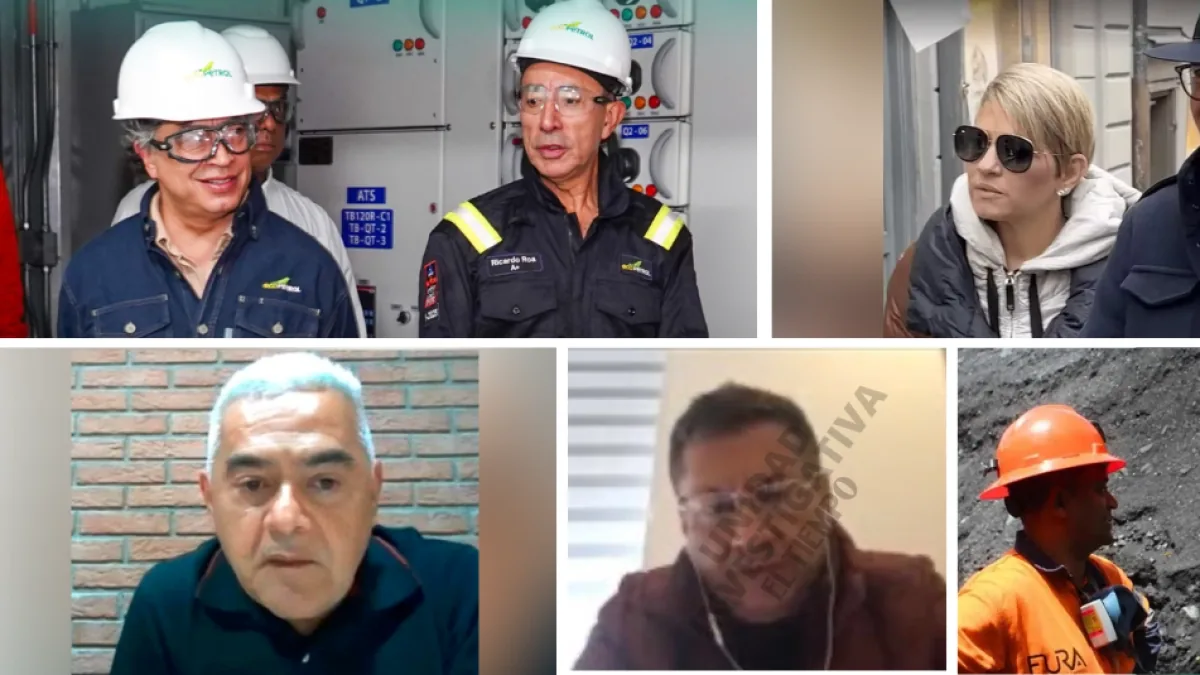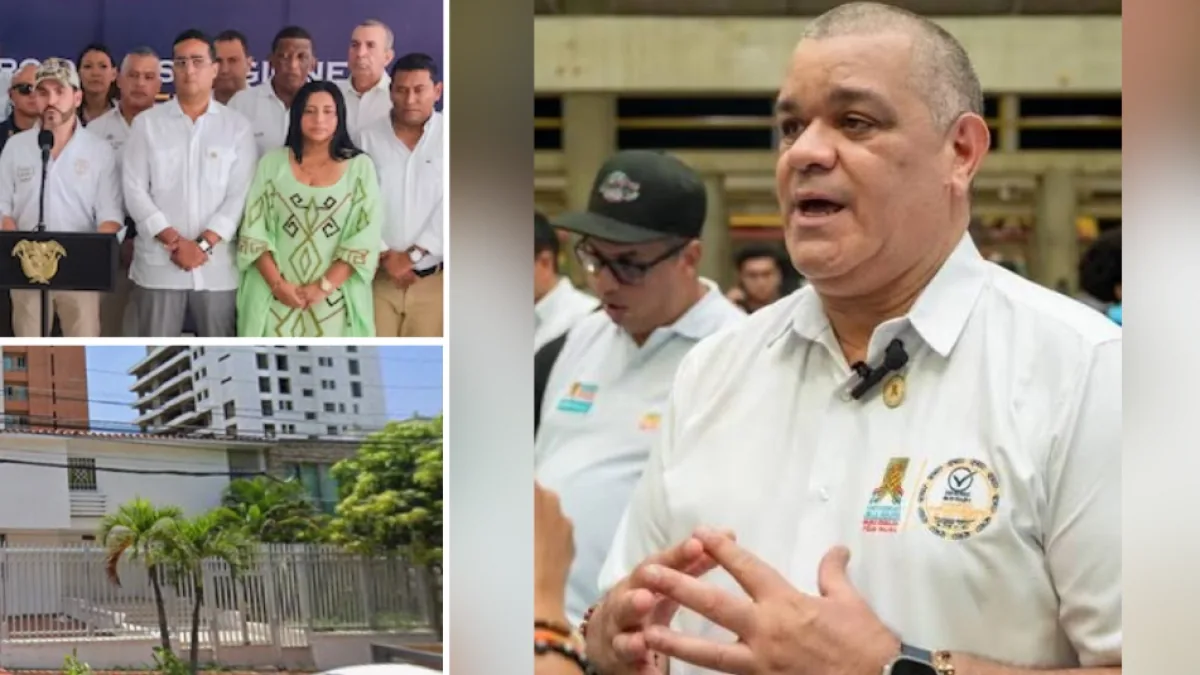




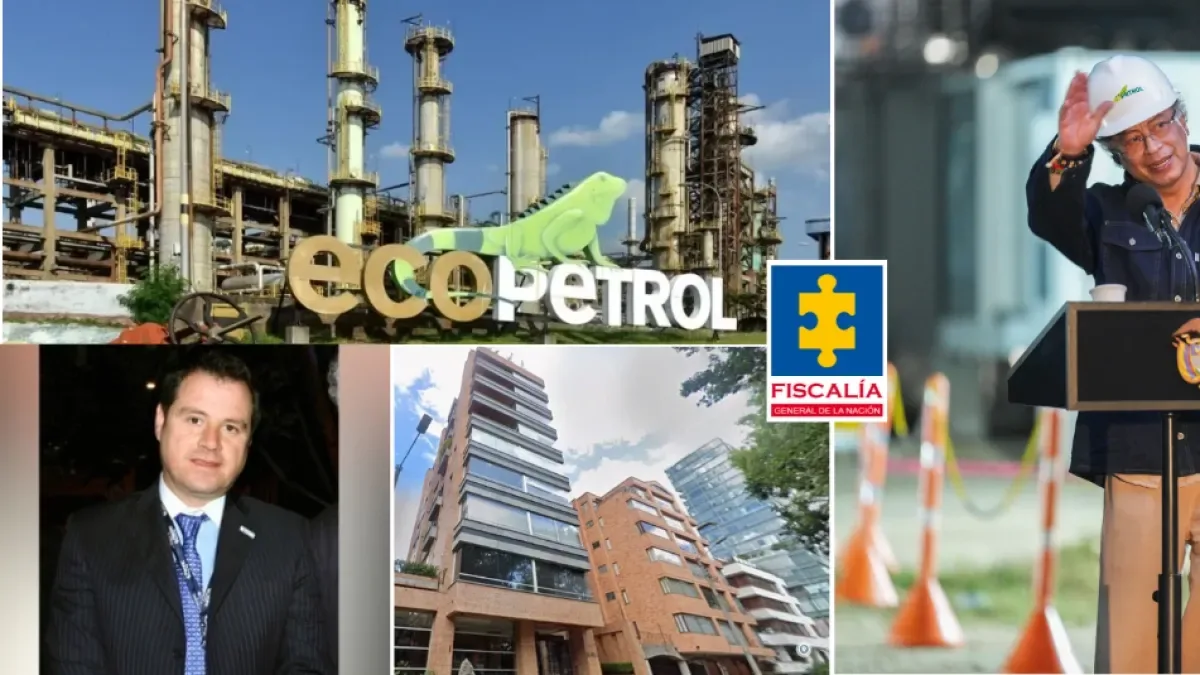
Although he remained 115 days away from Ecopetrol —amid two criminal charges—, Ricardo Roa Barragán reappeared last Thursday at a press conference to deliver the balance of his management as head of that state-owned business group and to assure that the results he leaves are “extraordinarily wonderful.”
Roa reappeared, contrary to a record left at the board meeting on July 23, which warned of the legal inconvenience of him making his balance, on the eve of the publication of second quarter results (in which he was not present).
Even so, he went out to state that under his administration, the Ecopetrol group consolidated as a great multi-energy business group, with great results such as growth, founded projects of clean energies and decarbonization, and other results in terms of emission and cost reduction.
Cash and omissions
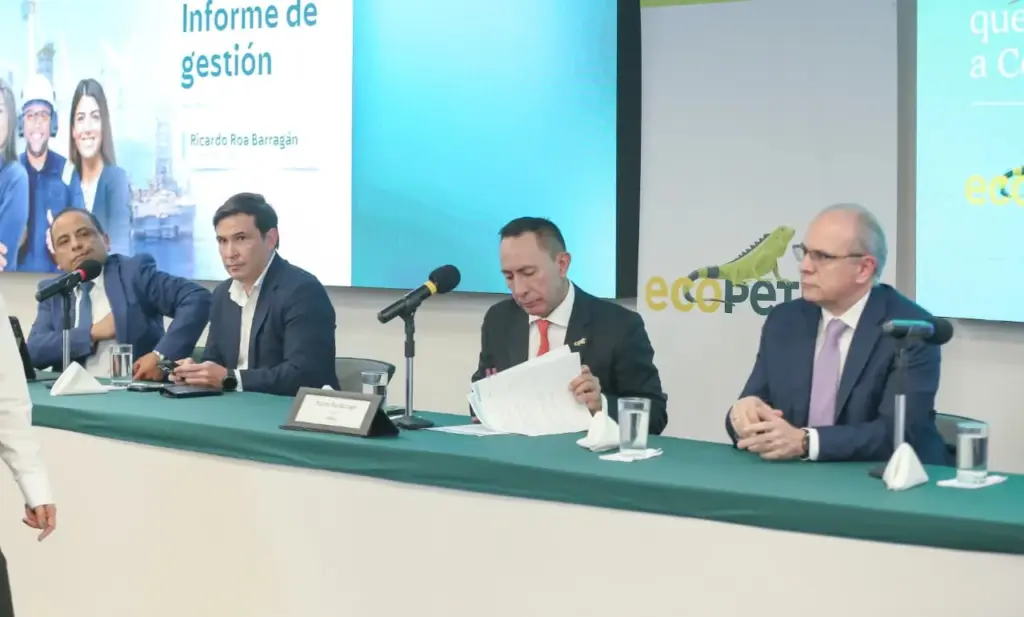
Additionally, he anticipated that the results to be revealed in the first week of August will disprove that he left ‘the skinny iguana’, referring to the emblematic image of the state company and to statements from the incoming government of Abelardo De La Espriella, who has called Roa a “thief.”
A week after those results are known, Roa must attend an indictment hearing within the criminal process against him for influence peddling, which originated from an investigation by EL TIEMPO’s Investigative Unit about the opaque purchase of his luxurious apartment 901 and the role of former police officer Juan Guillermo Mancera.
And the date for the charge of violating electoral limits is still pending, although in this case Roa was at the Prosecutor’s Office on Thursday offering to cooperate.
“We are going to start organizing the disaster that Mr. Roa has made and, of course, asking God and justice to imprison that criminal, miserable bandit Roa, who has tried to destroy the most important company of the Colombian State,” said De La Espriella less than a month ago.
Regarding the balance delivered by Roa, 64 years old, members of the state company compared his speech with that of President Petro on July 20, in which he only highlighted positive figures and omitted those of the problems affecting the country.
In the case of the now former president of Ecopetrol, he pointed out, among other achievements, that the state company obtained the best three-year exploration rate, thanks to the investment of 1.724 billion dollars in those processes: “For those who say that there was no exploration in these years, here are the numbers.”
What he omitted
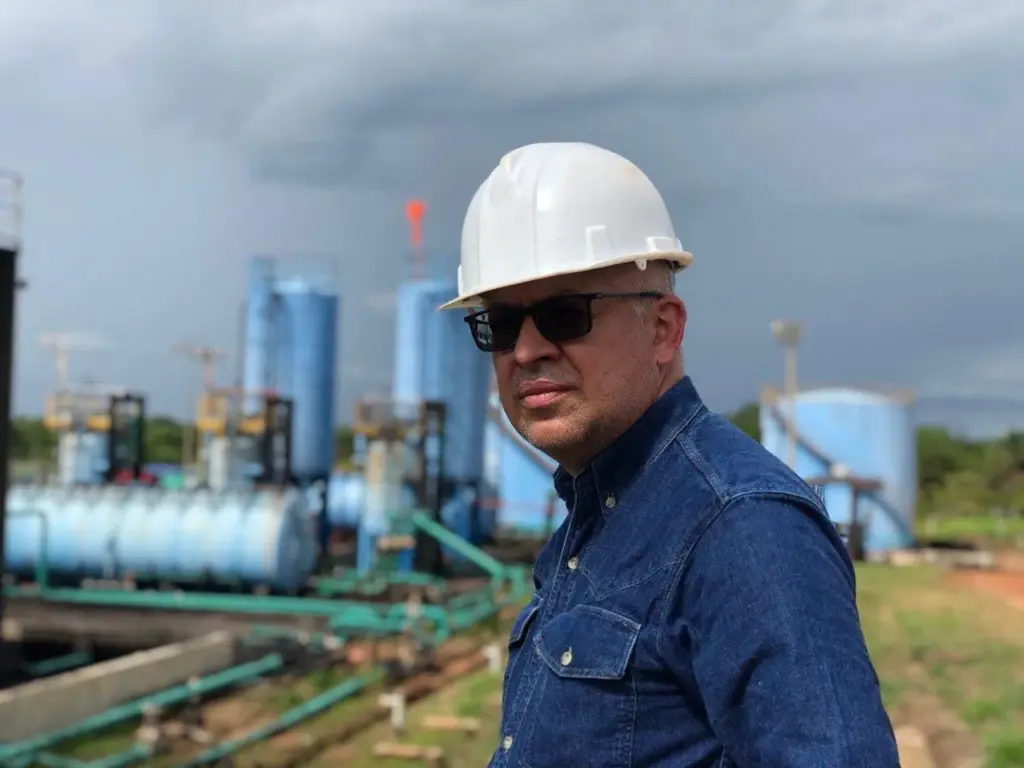
But experts distance themselves from his diagnosis, which they qualify as lying or biased.
“It seems that both (Petro and Roa) live in parallel realities. Ecopetrol looks very bad. Strategically disoriented and full of bad deals supposedly made to promote the energy transition. More than an environmental cause, it became a pretext to destroy oil exploitation; and acts of corruption, by acquiring a series of companies and businesses in the electric sector and solar projects that were not core,” said Alejandro Ospina, petroleum engineer and president of the Union of Workers of the Petroleum and Energy Industry of Colombia (Utipec).
And one of the state company’s vice presidents, who asked to remain anonymous, added that the company is left in difficult cash flow conditions that will be reflected mainly in the first half of next year, reaching minimum treasury levels, close to 1.3 trillion pesos: “That figure is historic. At this moment, the company has to go out to restructure and arrange debt and seek capital resources, unless production can be straightened out very quickly.”
And he added that the situation is serious: “Disinvestment in assets that are not so necessary within the company’s strategy is currently being evaluated. For example, divesting in Essentia (formerly Propilco), due to the closure of the investment recovery cycle. The other is the sale of Hocol, which ceased to be efficient because of the people they put in. Ecopetrol needs to quickly raise about 800 million dollars to have cash. And it needs to recover production levels. Bring it to about 35,000 or 40,000 barrels per day. The debt is huge.”
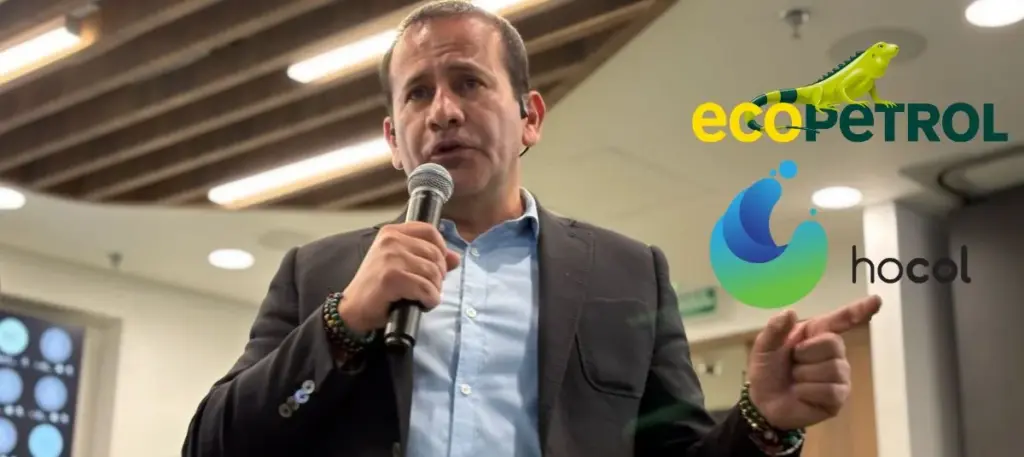
For his part, Luis Enrique Rojas, former president of Hocol (a powerful Ecopetrol subsidiary) and one of the witnesses in the case against Roa for influence peddling, points out that the best indicator to measure the disaster of this four-year term is the fall in the company’s equity value: “In constant pesos, it is a loss of 53 trillion pesos from when Roa entered until he left.
Amid his positive balance, Roa attributed the gas shortage the country is experiencing to previous governments and not to Petro’s anti-extraction policy.
Gas, Henao and Rodríguez
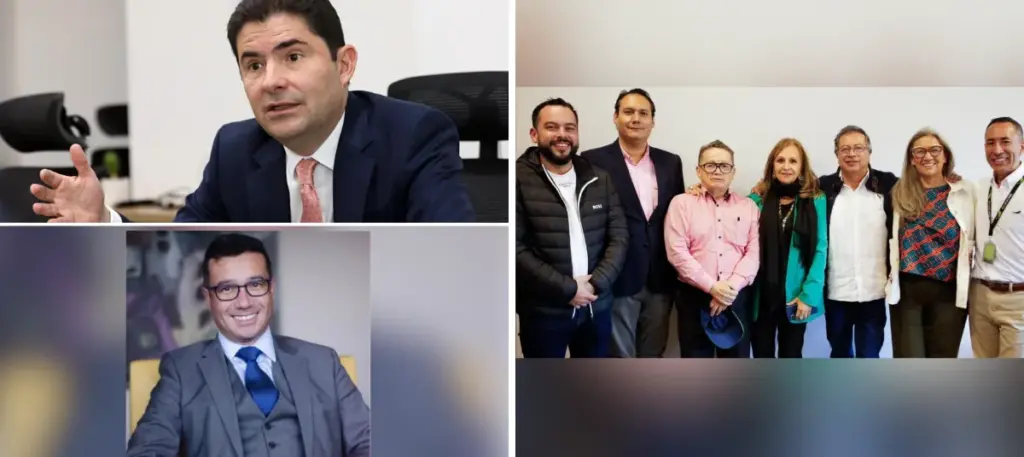
And he announced that they were going to go out to buy the molecule, albeit at higher prices. However, 24 hours later, when complaints about the million-dollar deal, which would go through the Houston office, began to arrive, there was a change of plans.
“Ecopetrol, I just received the report, because of that same fight to remove the president (Roa) because he is from Petro and to bring in Abelardo’s people, well, they no longer approved the start of gas imports. They won,” said Petro.
Roa, who did a media tour on Friday morning, did not touch on that topic nor on the other contracts that were stopped, for more than 700 million dollars, which came accompanied by bribery allegations.
What he did reiterate was his gratitude to the board, which, he said, always supported him. But he omitted to mention that Ricardo Rodríguez Yee, representative of the oil-producing departments, and Luis Felipe Henao, from the pension funds, opposed his remaining in the state company due to the legal and reputational risk for the company.
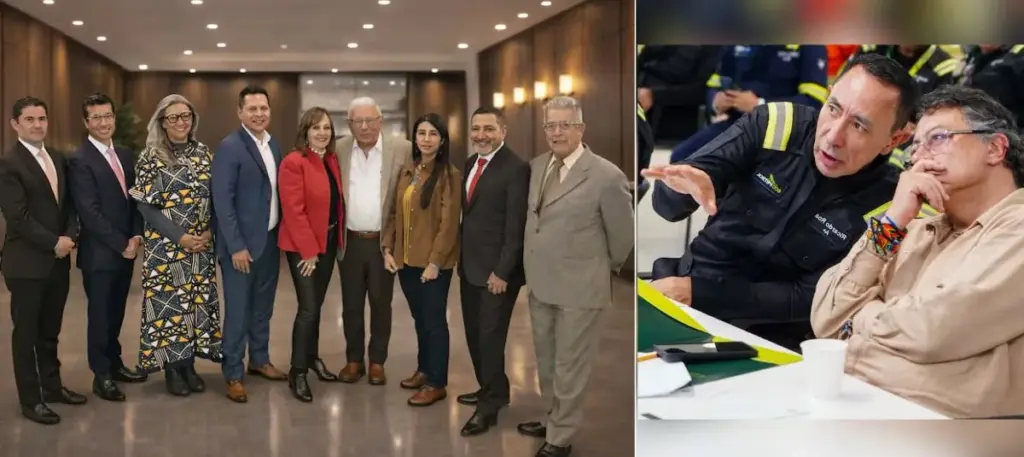
Additionally, they led internal investigations into the conduct of Roa’s henchmen and appointees. Henao assumed the presidency of the board after the resignation of Ángela María Robledo, from Petro’s wing.
In fact, Roa also did not mention how reputable rating agencies downgraded the oil company’s status in some items and emphasized the weakness of the board due to having Petro majorities that followed the Government’s script.
“Meritocracy and the value of technical expertise were broken in the company. Politicians arrived at the board. If there are 11 unions, it is because decent people sought refuge with immunity so they would not be replaced by appointees,” said Alejandro Ospina.
(Consult all the articles from EL TIEMPO’s Investigative Unit here)
On August 20, Roa will return to court for the influence peddling case, and now the possible negotiation with the Prosecutor’s Office in the campaign limit violation case is expected to advance.
The big question some have already started asking is: what is he going to say?
INVESTIGATIVE UNIT
u.investigativa@eltiempo.com
@UinvestigativaET
Follow us now on Facebook
Read more Artificial intelligence drives a new wave of labor scams: why Generation Z is the main target?