





EL TIEMPO learned of a letter sent by the Ministry of Commerce to the National Tax and Customs Directorate (Dian), in which it requested the urgent issuance of regulations to prohibit the import of goods produced with forced labor.
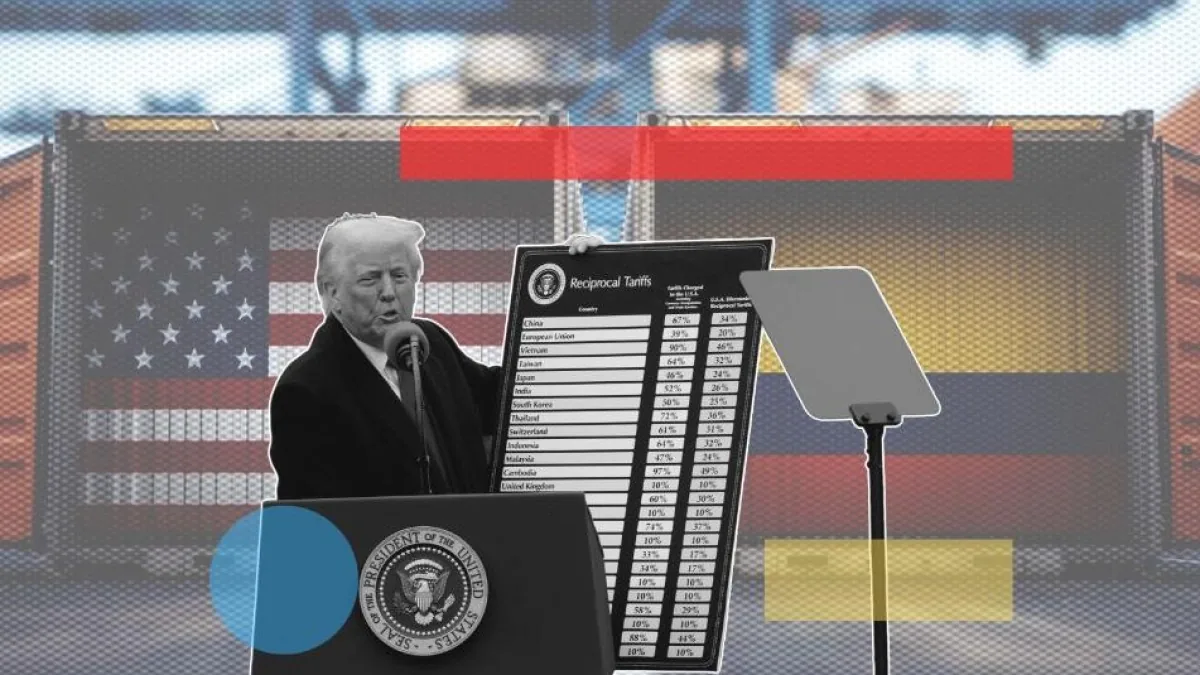
With this measure, Colombia sought to protect itself from the United States’ warning of imposing a 12.5 percent tariff on countries that did not have effective controls to prevent the entry of such products into their markets.
However, the regulation was not issued on time. As a result, this Thursday, the United States confirmed that Colombia is part of the group of almost 60 countries that will have to pay the tariff surcharge on certain products.
In the letter, the Ministry of Commerce urged the Dian to accelerate the necessary procedures so that the regulation would be ready by July 6 at the latest.
According to the entity, the issuance of this regulation sought to respond to “the international commitments assumed by Colombia regarding the prevention and eradication of forced labor.”
Furthermore, it addressed a recommendation from the National Business Council, which had requested prioritizing this prohibition through objective risk criteria, rigorous investigations, and guarantees of due process.
Letter from the Ministry of Commerce to the Dian by deiqui9108
The letter emphasized that the timely adoption of the rule would not only strengthen customs controls to protect local competitiveness but also consolidate the country’s position among its trading partners by demonstrating a firm commitment to labor rights and global supply chains.
In fact, the Dian itself had expressed in inter-institutional meetings “its willingness and commitment to lead the issuance of the necessary regulations to make said prohibition effective.”
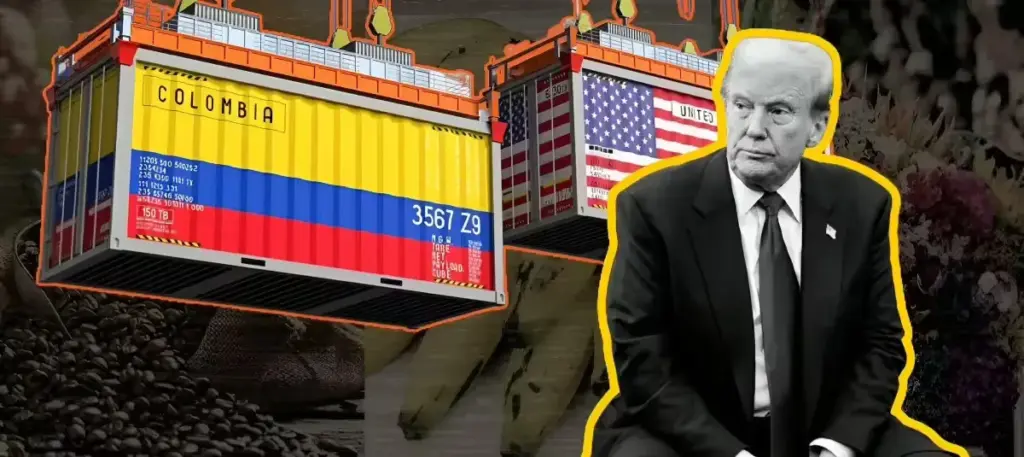
By not finalizing the regulation within the foreseen deadline, Colombian exports that are not expressly exempted will go from paying a 10 percent tariff to a 12.5 percent tariff.
In this regard, the president of the Colombian-American Chamber of Commerce (AmCham Colombia), María Claudia Lacouture, clarified that the sanction does not imply that national goods are produced with forced labor.
“The questioning is directed at the institutional system with which Colombia controls what it imports from third countries,” she specified.
While goods such as coffee, oil, gold, bananas, avocados, and certain sugars were excluded from the measure, key sectors such as flowers, apparel, confectionery, chocolates, processed foods, cosmetics, and other manufactured goods will face the new tariff.

Although formally the tax is paid by the importer in the United States, in practice the additional cost usually falls on the Colombian exporter through lower prices, is passed on to the final consumer, or is shared between both ends of the chain.
This immediately reduces profit margins and reduces the competitiveness of Colombian products compared to competitors with more favorable tariffs such as Ecuador, Mexico, Guatemala, Honduras, El Salvador, and Argentina.
Despite the outlook, Lacouture believes that there is a path to seek the reduction or elimination of the tariff: “With the arrival of the new government, there is prudent optimism about the possibility of quickly advancing in the adoption and application of the measures required to request the United States to review the tariff.”