

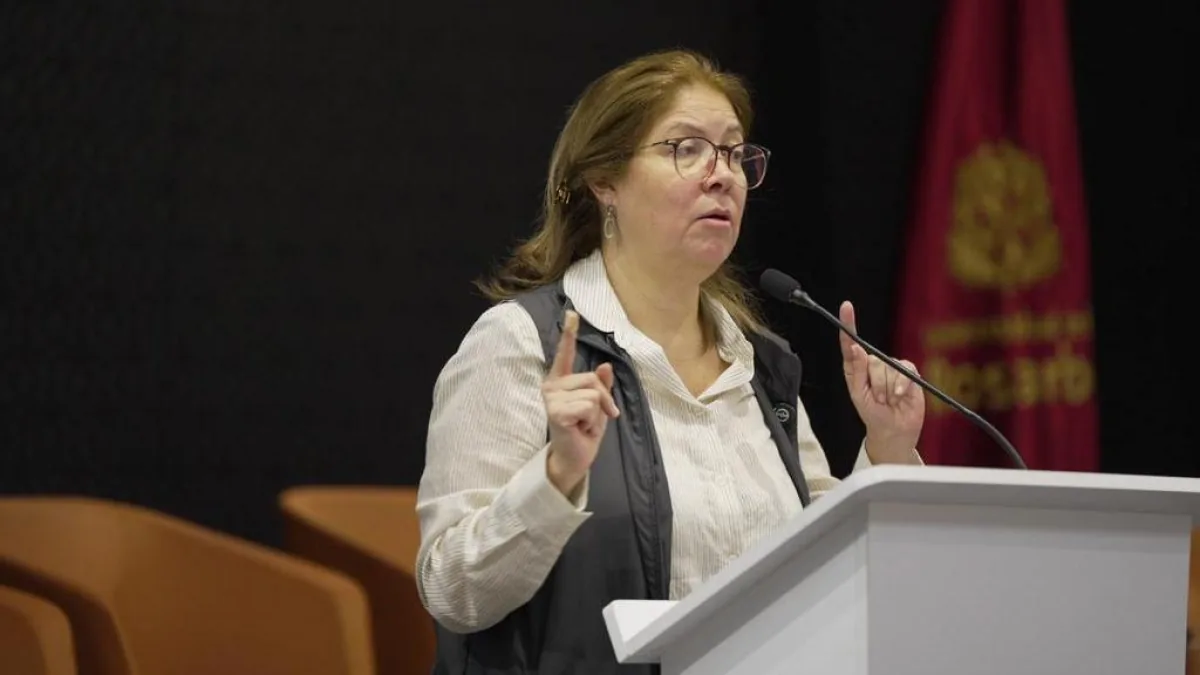
After a detailed analysis of the results of the first presidential round on May 31, the Electoral Observation Mission (MOE) ruled out any possibility of fraud. Its director, Alejandra Barrios, affirmed that the information provided by the Registrar’s Office demonstrates technical consistency.
“For the MOE, this issue of fraud is already overcome,” Barrios said in an interview with this newspaper. The expert assured that Colombia’s results transmission system is one of the most robust in the world and warned that the only thing that can tarnish this electoral process is polarization and disinformation.
What is the MOE’s overall assessment?
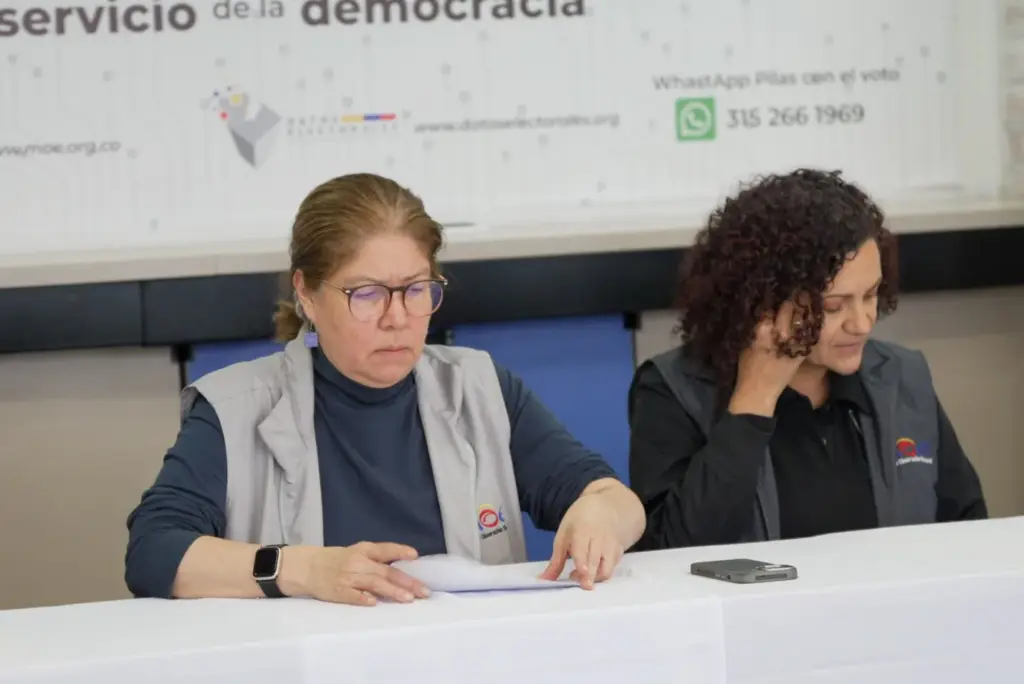
On Sunday, we pointed out that we had a very good election day, which flowed smoothly, with 4 public order incidents that did not affect the elections. Then, we delivered a report on the results, the transmission of information, the census, and all the tests we conduct to ensure that the results delivered correspond to the will of the citizens. What we can say, without fear of being wrong, is that the information provided by the National Registrar’s Office demonstrates technical consistency; likewise, we rule out any type of anomaly in the formation of electoral census data, voting data, and the distribution of polling stations.
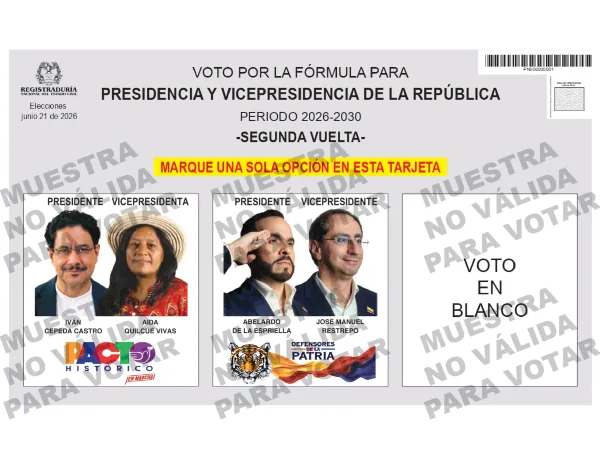
The Registrar’s Office officially published the ballot for the second presidential round: the order of the ballot positions is maintained by law
Do you then rule out any type of fraud?
We rule out any possibility of fraud, understanding this as a decisive and massively carried out action to change electoral results. That did not occur. There may be errors in the completion of some minutes or forms, but not errors that could lead one to believe that we are facing a massive fraud orchestrated by any electoral authority or campaign. The results are what we have.
How serious is it that an electoral result is questioned by the highest authority of the State?
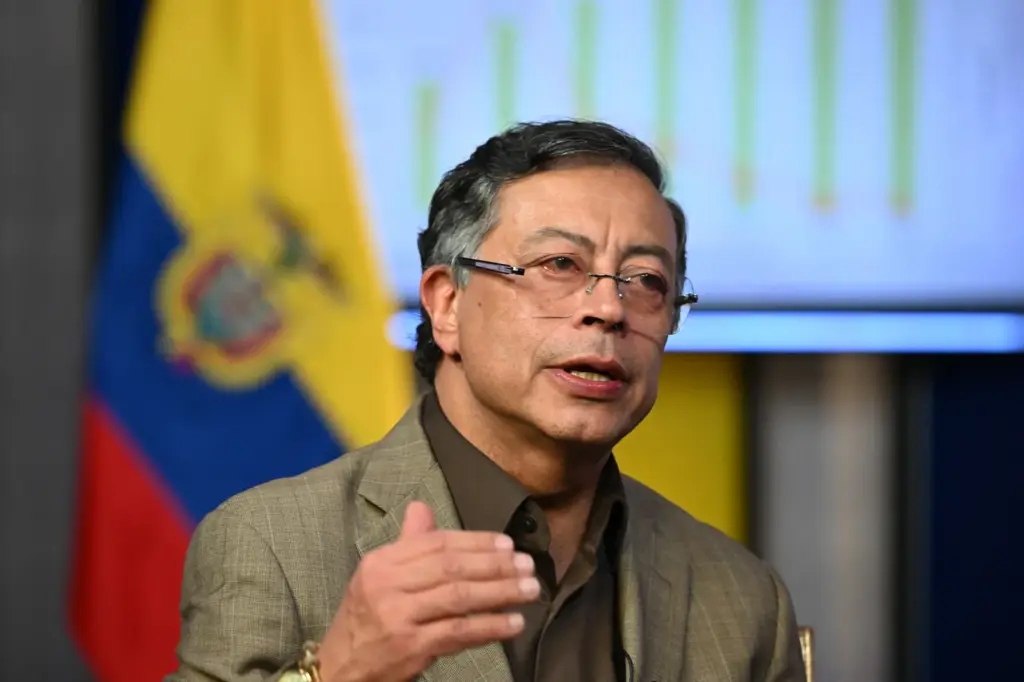
The Executive is part of the election organization process. A week before, an Electoral Monitoring Commission was held in Cartagena; a week before that, another was held in Manizales. All these meetings are convened by the Ministry of Interior, and in each of these meetings, information on the census and polling stations is provided; political parties, led by their leaders, the Government’s anti-corruption office, and the Military Forces are present. All matters related to the electoral process are moderated by the Minister of Interior or their delegate. All doubts must be brought to these commissions. The electoral census was public and was delivered to observation missions a month in advance. Any doubt that may have arisen on Sunday was the same that could have been raised a month earlier and could have been resolved within the framework of these meetings. The Government is responsible for governance; it is not just another guest at the elections.
What is the importance of the pre-counting system and how true is it that it is not used in other democracies?
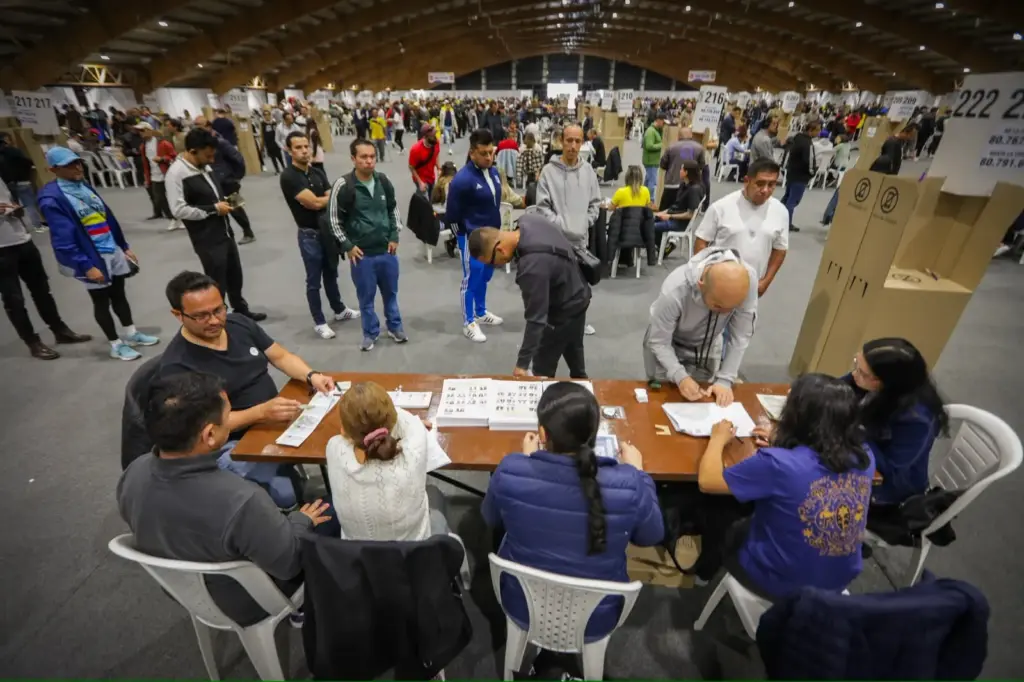
Colombia is an example in delivering electoral results, even if they don’t have legal enforceability, because we subsequently have the scrutiny process, which here is very fast. There are countries where a week or two passes. I would appreciate it if they would look at the experience of Peru or Honduras, where a month passed and no information on electoral results was obtained. That, in Colombia, would be very serious. In this country, it would be completely unthinkable that we wouldn’t go to sleep having a very close approximation to reality. There is confidence in the elections that is strengthened by the pre-counting; it’s a terrible idea to remove it; that allows parties to react quickly if they consider there’s an irregularity they need to follow up on.
What follows after the completion of the first round scrutinies? They still demand recognition of the results for the president and Iván Cepeda
Are you concerned about the level of polarization this contest is reaching?
We are very concerned. A polarization that includes hate messages, stigmatizing messages, disinformation, propaganda paid from outside the country to affect or benefit a candidacy, where it is not possible to identify its origin. We are also concerned about electoral crimes, or possible vote buying, or the use of unreported resources. But what makes us most nervous are social media.
Why?
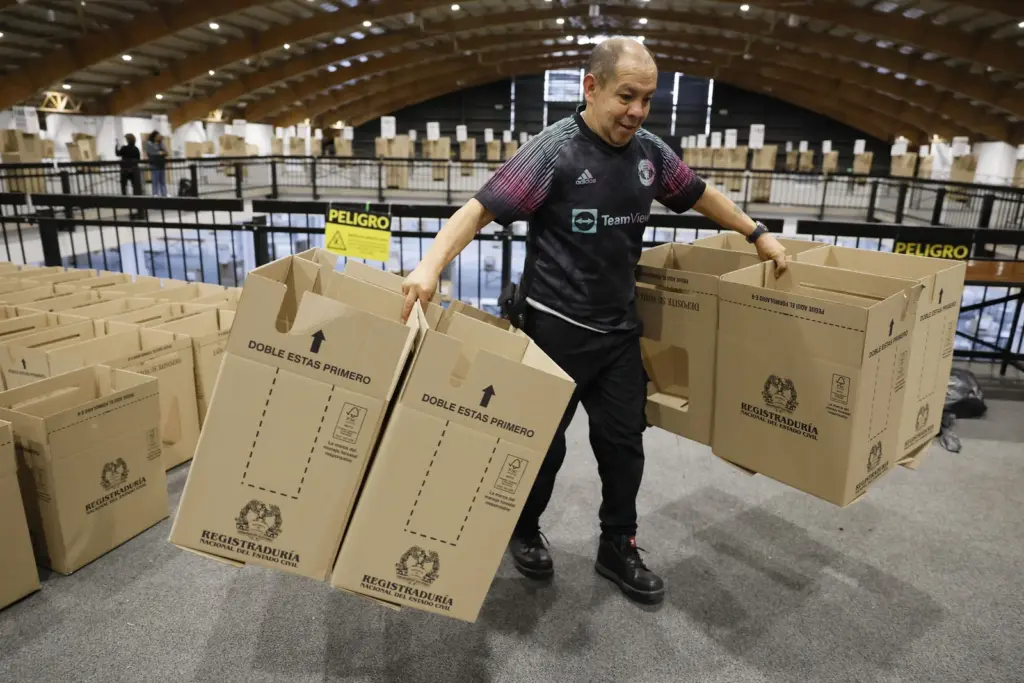
It is generating a great deal of emotion. We are talking about the transparency of elections, and there are documents and analyses on that, but if you decide not to believe, and to believe that there is fraud, then what can end up happening is that on election day, if your preferred candidate does not win, you can start shouting fraud, take to the streets, and the country will spiral out of control, as has happened in other countries.
Close the door to a constituent assembly and end ‘total peace’: Sergio Fajardo presented his decalogue of a million votes for talks
Improper political participation is also marking the campaign. What can be done?
The call is not only to the President of the Republic, but also to governors and mayors. The three executives (national, departmental, and municipal) are co-responsible for organizing elections and providing guarantees. From ministers downwards, the Attorney General’s Office has full disciplinary authority. Above ministers, it is up to the Accusations Commission to make the corresponding decisions. There are rulings from the Council of State that indicate the limits for the possible political participation of the Presidency. It is very important that candidates can run their own campaigns.
What’s next on the electoral calendar?
Next week we will really see how the new campaign begins. These are the weeks of reactions and readjustments. Next, we will see if the campaigns made changes or not. And all the movement of sending electoral paperwork abroad has to begin, because a week before (June 15) elections abroad begin. The MOE will expand its coverage. We are very short on time and this has to work like clockwork. For the MOE, this issue of fraud is now considered closed, and what we have to do is prepare to vote informed and with joy.
JUAN PABLO PENAGOS RAMÍREZ
Political Editorial Staff