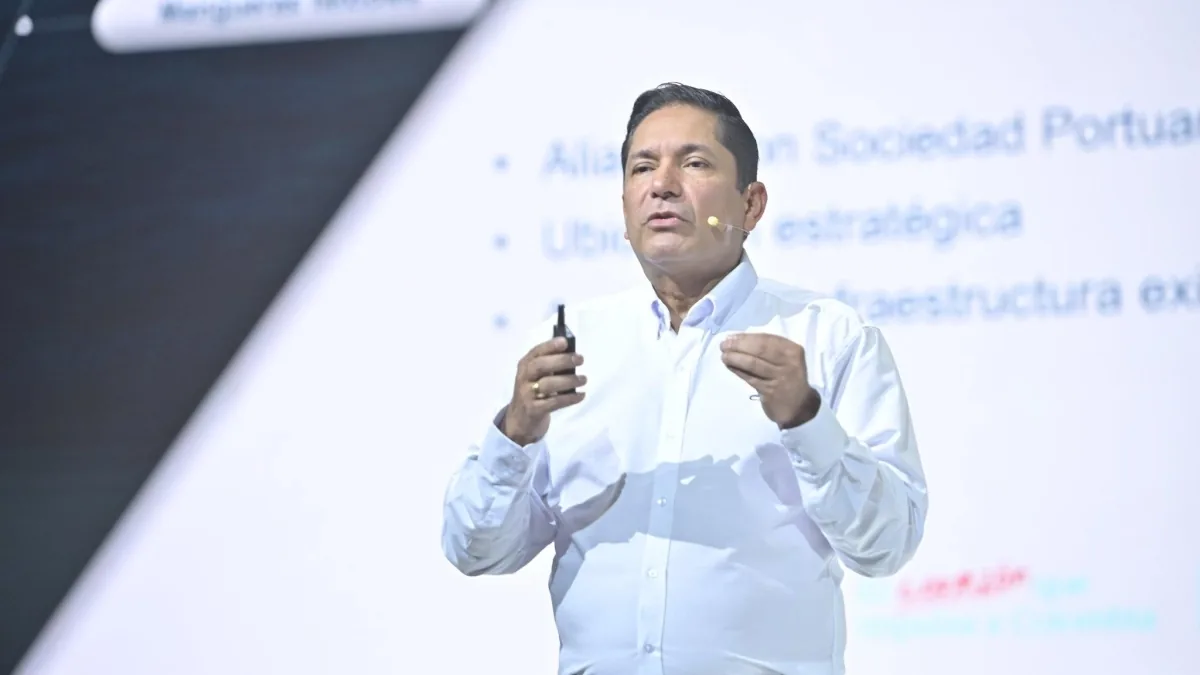









The recovery of confidence to invest in Colombia seems to have become the first major economic bet of President Abelardo De La Espriella. This is how business groups and analysts interpret the package of announcements presented during his inauguration speech, in which the new president proposed an austerity plan to contain public spending, a structural tax reform, the elimination of the wealth tax, and the strengthening of Ecopetrol as some of the pillars to reactivate growth.
The initial reactions were favorable. However, behind the support there is an almost unanimous agreement that the signals sent generate optimism, but the real challenge is just beginning. Success will depend on how those promises are translated into reforms, fiscal decisions, and public policies capable of stimulating investment, strengthening growth, and restoring sustainability to public finances, experts warn.
“The speech proposes, in economic terms, a fairly clear change of direction and, generally speaking, in the right direction. But now comes the hardest part, which is turning those announcements into concrete and fiscally consistent measures,” says Luis Fernando Mejía, president of Lumen Economic Intelligence.
He points out that the package of measures can help restore confidence, attract investment, and accelerate growth, as long as it is linked to a serious adjustment of public spending that guarantees the sustainability of the State’s finances.
Austerity
If there was one announcement that analysts consider unavoidable, it was the new government’s commitment to implement an austerity plan to contain public spending. But they warn that freezing spending will be just the first step of an adjustment that must be deeper to restore confidence in the management of public finances.
Mejía believes that the fiscal situation the country inherits demands much more than a decree to contain spending. In his opinion, it will be necessary to thoroughly review the size of the State, eliminate duplications, reduce inefficient spending, and rationalize bureaucracy, without sacrificing public investment or priority social programs.
“Freezing spending is a good first step, but it will not be enough,” warns the economist, who insists that the real challenge will be to achieve an adjustment compatible with fiscal sustainability and economic growth.
A similar view is expressed by Daniel Velandia, chief economist at Credicorp Capital, who highlights that the president placed the recovery of confidence as one of the most important assets for the economy. In this context, he considers it coherent that the fiscal plan begins with an adjustment of public spending accompanied by measures aimed at strengthening private investment and simplifying the tax system.
Tax support
Another announcement that found greater support was the intention to present a structural tax reform. Although experts insist that the details are yet to be known, they agree that the goal of simplifying the tax system and offering more stable rules can become an incentive to recover investment.
María Claudia Lacouture, president of AmCham Colombia, considers that the country needs to move towards a tax scheme that generates greater legal certainty for those who invest and create jobs. But she warns that any change must be built with broad consensus, as its scope will have direct effects on the country’s competitiveness and the decisions of the productive sector.
For César Pabón, director of Economic Research at Corficolombiana, fiscal adjustment is inevitable, but it must combine a greater austerity effort with a tax reform that does not punish investment. He even suggests that the Government could review some additional sources of revenue on which there is greater possibility of consensus, without affecting the economy’s growth capacity.
Wealth tax
If there was one announcement that achieved almost unanimous support among analysts, it was the decision to eliminate the wealth tax. The common argument is that it is a levy with low impact on revenue, but with significant effects on investment decisions and the retention of capital in the country.
The president of Lumen recalls that this tax barely contributed about one trillion pesos in 2024, equivalent to a very small fraction of the revenues managed by the Dian. In contrast, he argues that it has encouraged the transfer of wealth and, in some cases, even fiscal residence to other jurisdictions, reducing both the revenue from the tax itself and from income tax. Therefore, he considers that its elimination would help recover investment and facilitate the return of capital to the country.
From Fenalco, Jaime Alberto Cabal, its president, described the measure as “a fundamental success to stimulate investment,” while César Pabón defined it as one of the most distorting taxes in the Colombian tax system due to the incentives it generates to move capital out of the country. Both agree that its elimination can become an important signal to improve the investment climate.
Ecopetrol
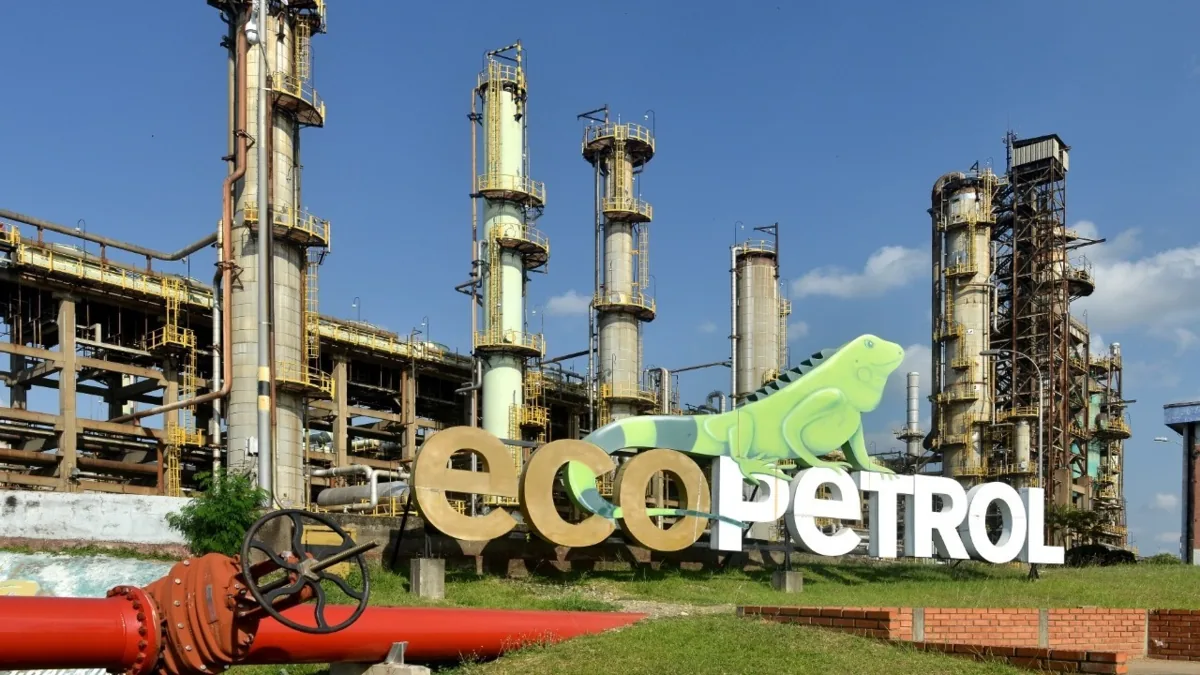
President De La Espriella’s commitment to strengthen Ecopetrol was also received as a favorable sign by analysts, who agree that the oil company will continue to be a strategic asset for public finances and for the recovery of investment.
Mejía believes the challenge will be to restore the company’s financial strength, strengthen its corporate governance, and focus its efforts on projects that generate value. In his opinion, the energy transition must continue, but gradually and financially sustainably, so that it does not compromise the company’s ability to keep contributing resources to the country.

From the business sector, Jaime Alberto Cabal also considers the announcement to restore Ecopetrol’s prominence and strengthen its ability to generate profits again as correct, considering that the company will continue to be one of the main sources of income for the Colombian State.
A similar view is expressed by María Claudia Lacouture, president of AmCham Colombia, who considers that the decisions the Government makes regarding the company must find a balance between energy security, business sustainability, and investor confidence, elements she considers key to attracting new capital and maintaining the country’s competitiveness.
The announcements also left room for one of the historical challenges of the Colombian economy, which is informality, currently above 55 percent, according to Dane.
For the president of Fenalco, any strategy aimed at facilitating the formalization of small businesses and companies will have a direct impact on the generation of decent and sustainable employment, so the association expressed its willingness to support initiatives promoted by the new government in this area.