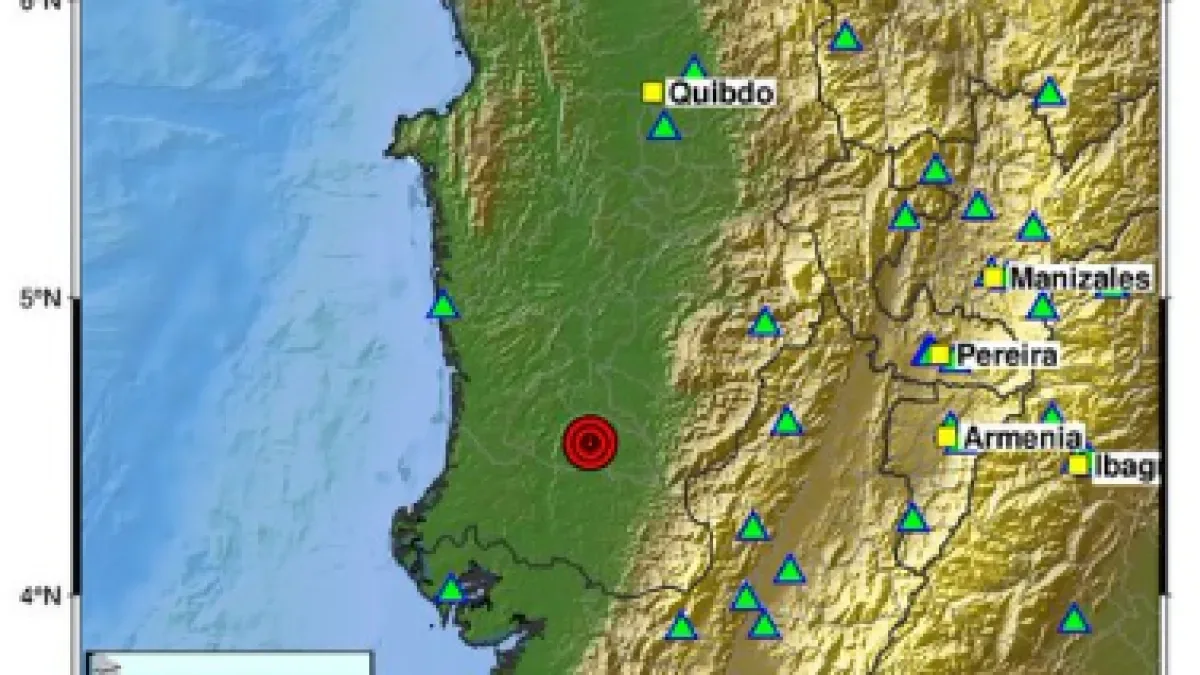


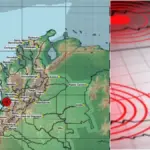

The magnitude 7.4 earthquake recorded at 7:34 a.m. on Monday, August 10 had its epicenter in San José del Palmar, Chocó, and caused damage in different regions of the country. Since then, rescue organizations and authorities have kept active the operations for assistance and search in the most affected areas.
According to the report from the National Unit for Disaster Risk Management (UNGRD), delivered this Wednesday, August 12, the emergency has so far resulted in 239 deaths, 3,755 injured, and 287 missing persons. In total, 14 departments and 403 municipalities have reported damage, with 24,324 displaced families and 49,214 affected people.
In the assessment, the entity also records 9,215 destroyed homes and another 45,457 damaged, as well as 140 collapsed buildings. This event has affected 1,667 educational centers, 530 community centers, 188 health centers, 129 roads, 43 aqueducts, 20 vehicular bridges, and two airports, among other infrastructures.
In an interview with EL TIEMPO, Wiston Mosquera, bishop of the diocese of Quibdó, spoke about the situation in Chocó, one of the departments most affected by the earthquake, and explained what the main supplies currently needed to assist the communities affected by the emergency are.

What is the situation in Quibdó?
The situation is quite severe for the communities and for those of us who have had the opportunity to visit the affected sectors. Many people are outside their homes because they collapsed or are about to collapse; others have had to evacuate due to the damage. 29 municipalities in the department have experienced difficulties due to this earthquake. We have visited sectors in Quibdó, such as La Terraza or the northern area of the city, where at least 20 houses fell into the abyss and about 100 people lived there.
What is the hospital situation in the city?
I know more hands are needed, especially medical personnel to help there. The hospital has been overwhelmed. It was a place that already had precarious care and infrastructure, but it was also affected by the earthquake. The staff cannot keep up with the number of people who started arriving. Therefore, many patients have had to be transferred to high-complexity hospitals in Medellín. Some people who arrived injured have even died after arriving at the hospital. The Diocese of Quibdó has made available the Food Bank and Social Pastoral to help people. We are all working for the good of our communities and the idea is that we can help overcome these most difficult moments, in this first part of the emergency, because then comes the reconstruction of houses and the affected educational infrastructure.
How are the rescue efforts progressing?
The people have been very cooperative in Quibdó. Neighbors, everyone is helping to search for those who were buried. At this moment we do not have clarity about whether anyone is still under the rubble. There is talk of five missing persons, but it is not really known where they are. As a result of the earthquake, there were also other damages. For example, at least six temples had internal damage, although fortunately they did not collapse.
What is the situation of the educational institutions?
38 institutions in the department were severely affected, including Uniclaretiana and the Technological University of Chocó. There is also talk of 468 destroyed homes, but that number may increase in the coming days. There is an indigenous school in the San José del Palmar area that was practically left in ruins. At this time there are no classes, but we have to wait because the evaluation of the buildings is still pending to verify that there is no risk of collapse in those institutions.
What supplies does the Quibdó community currently need?
People need food because they lost their homes and have nothing. It would be ideal if prepared food could even be provided. But potable water, hygiene kits, and medicines are also needed, because some people, although they have not gone to the hospital, may have been affected. The hospital made public a list of everything it needs to be able to attend to the displaced. Likewise, as the Diocese of Quibdó, we have made available the accounts of the Food Bank and Social Pastoral for those who want to make financial donations.
REDACCIÓN VIDA DE HOY