






Behind the 39 environmental defenders murdered in Colombia during 2025, there is a geography and profile that repeat with unsettling precision. The annual report by Global Witness, published this September 15, not only confirms that the country leads for the fourth consecutive year the global list of the deadliest places for those who defend the land and the environment: it also clearly shows where this violence occurs and against whom it is directed. And both answers point to the same place: Cauca, and the indigenous and peasant peoples.
One single department concentrates a third of the murders
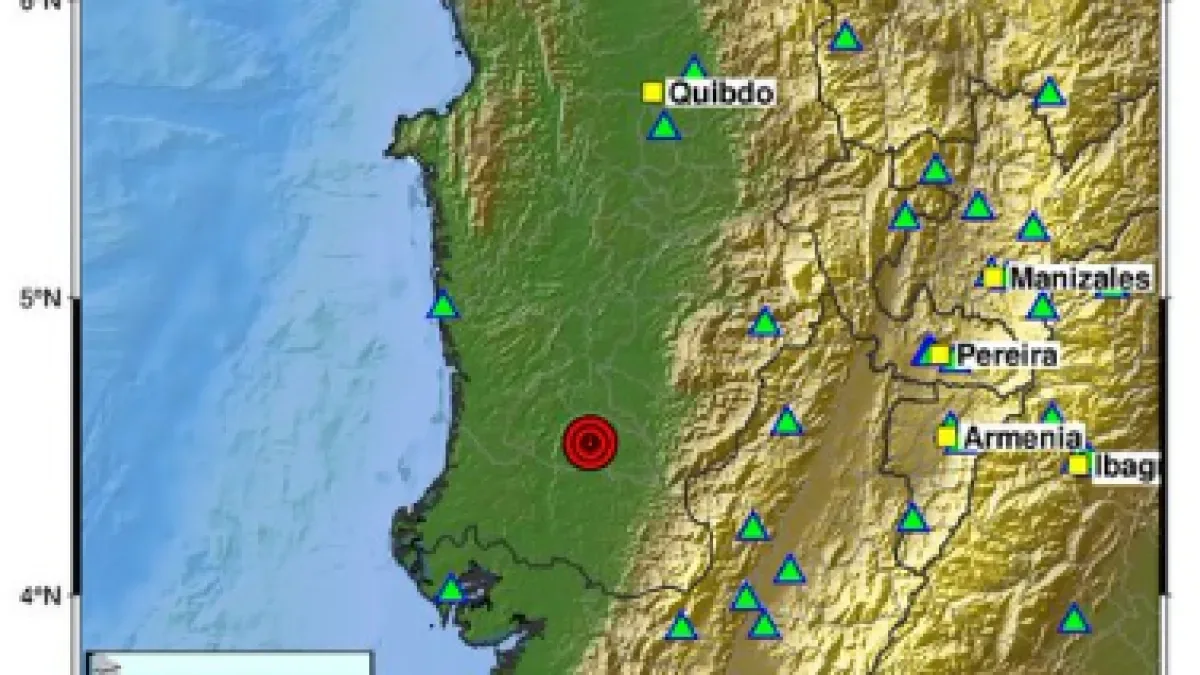
Of the 39 cases verified in Colombia in 2025, 13 occurred in the department of Cauca. That is, one third of the murders in the country—and, on a global scale, more than 10% of the 124 deaths documented worldwide—were concentrated in a single department in southwestern Colombia. Global Witness bluntly describes it as the epicenter of this violence.
The figure is not a temporary peak. With the 13 cases in 2025, the accumulated total in Cauca since the organization began its record in 2012 amounts to 171 murders, the highest number of all departments in the country. It is sustained violence over more than a decade, which has withstood changes of government, peace agreements, military operations, and budget increases in protection mechanisms.
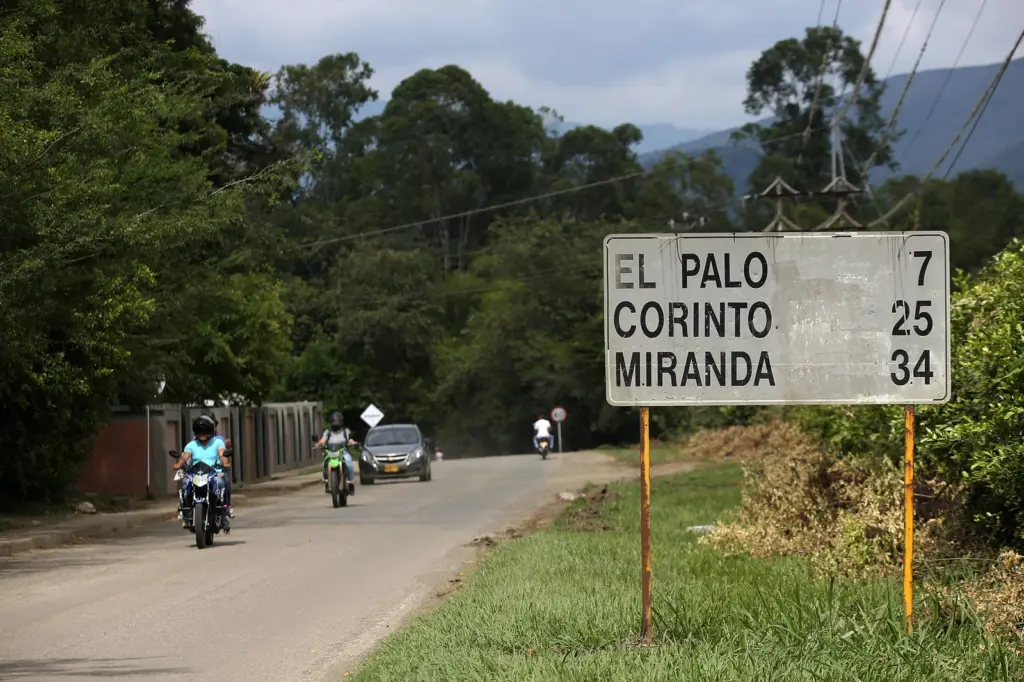
The reasons identified in the report are structural and geographical. Due to its strategic location in the south, just a few kilometers from the border with Ecuador and its access to export routes to the Pacific, Cauca has become a key corridor for cocaine trafficking. Coca cultivation has quintupled in the last decade, in a context of growing influence from both Colombian armed groups and Mexican cartels. Added to this is illegal mining, which along with drug trafficking economies is degrading the department’s forests and waterways.
The pattern is replicated, on a smaller scale, in other southern departments equally rich in biodiversity: Nariño and Putumayo each recorded three murders, with the same underlying factors—illegal mining and coca cultivation that finance armed groups, displace communities, and pollute rivers—.
Here appears one of the most uncomfortable findings of the report for Colombian public policy: the country’s most biodiverse territories are simultaneously the deadliest for those who protect them. Environmental wealth and the presence of illicit economies coincide on the same map, and those caught in the middle are the communities inhabiting those territories.
Almost half of the victims were indigenous
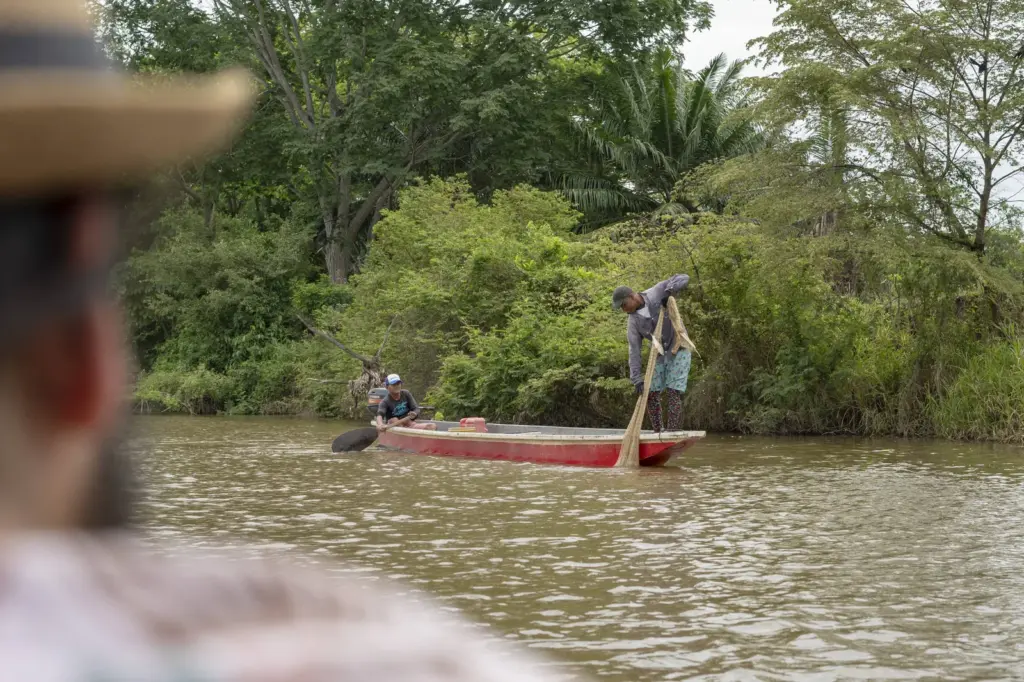
The second pattern revealed by the report is the profile of the victims. Almost half of the 39 people murdered in Colombia in 2025 were indigenous, and another 15 were peasants. Between these two categories lies the overwhelming majority of cases in the country, in line with the global trend: worldwide, nearly three-quarters of documented murders affected indigenous peoples and peasants, attacked for defending their territories and access to land.
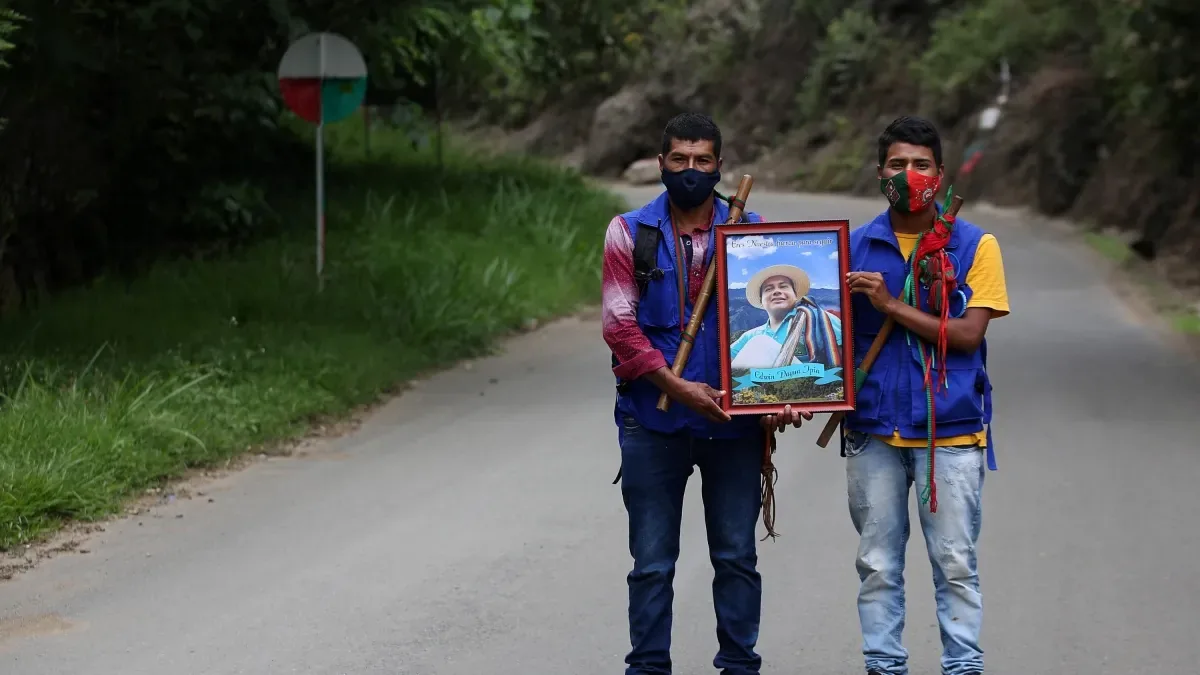
The data that gives the dimension of collective risk is another: of the 13 murders in Cauca, four were indigenous guards. Globally, Global Witness documented the deaths of 44 indigenous people in 2025, including seven members of indigenous guards. That is, more than half of the indigenous guards murdered worldwide last year died in a single Colombian department.
The report explicitly pays tribute to one of them: Edgar Tumiñá Gembuel, Nasa guard from Colombia, whose name heads—alongside that of Filipino Teduray leader Nickasio Tayas Mindo—the list of indigenous people murdered worldwide for defending their territory, culture, and resources.
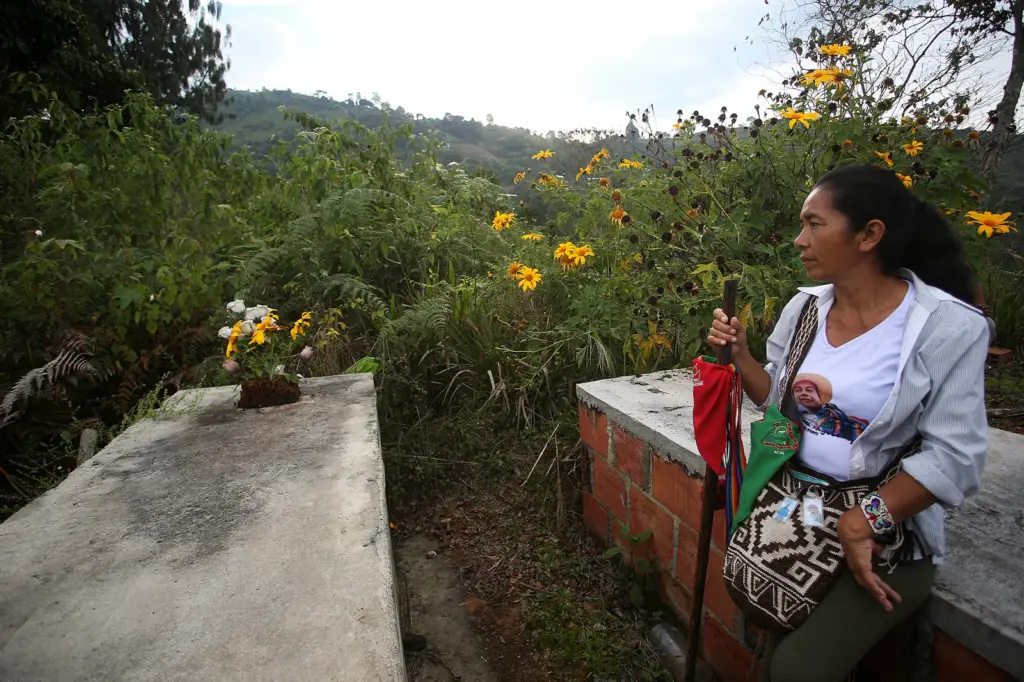
That indigenous guards are a priority target is not a minor detail: it reveals that what is attacked is not only the person but the community protection mechanism. Global Witness dedicates much of the report to documenting how communities in several countries have built collective protection systems—territorial patrols, early warning systems, community monitoring networks—precisely because those who defend the land are rarely attacked in isolation. Indigenous guards are the emblematic example of this model. And in Colombia, this model is being dismantled by gunfire.
Land as motive and organized crime as perpetrator
The two previous patterns intersect in a third finding: 35 of the 39 deaths documented in Colombia were related to land conflicts. Practically no case escapes this logic. It is not diffuse violence nor collateral damage from the armed conflict: it is violence directed against those disputing control of a territory.
Regarding the perpetrators, Global Witness was able to allegedly link 17 of the deaths to organized crime and another five to hired killers. Colombia appears, along with Mexico and Honduras, among the countries where this link is most marked. The report warns that organized crime does not limit itself to killing: it corrupts the structures and institutions that should protect communities, weakens governance, and erodes judicial systems, thus ensuring impunity.
Insecurity in land tenure appears, in the global diagnosis, as the factor that most fosters these attacks—which underscores the urgency for States to secure territorial rights of indigenous peoples, Afro-descendants, and peasant communities.
The recommendation that directly challenges Colombia
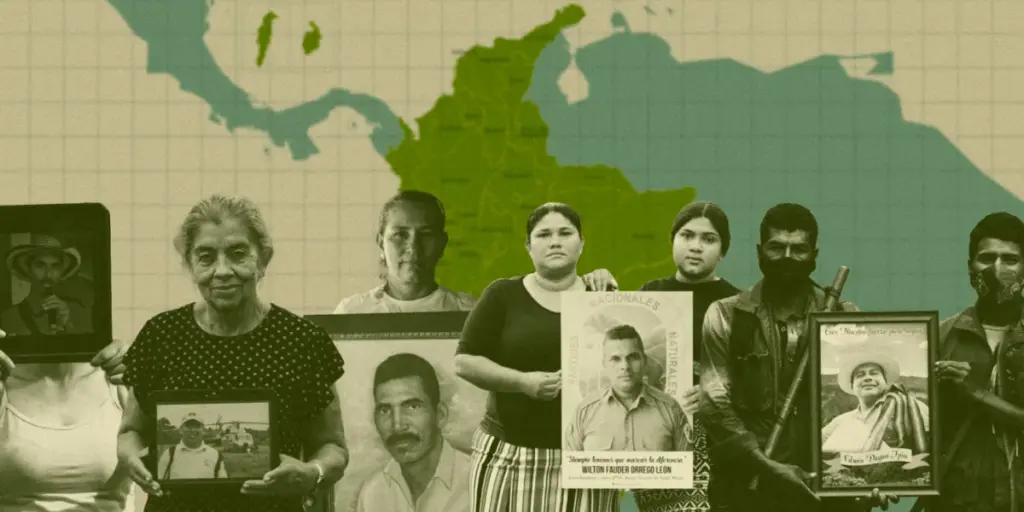
The report makes a specific recommendation for the Colombian State: sign and implement the Comprehensive Public Policy of Guarantees for the Work of Human Rights Defense, a framework promoted by civil society whose objective is to establish a comprehensive and preventive protection approach.
This call is articulated with a broader critique of the current model. Global Witness argues that States should not limit themselves to reactive mechanisms focused on specific individuals but adopt collective approaches applicable to entire communities and organizations. The argument has empirical support: in 2025, two Mexican defenders were murdered despite being under state protection programs, and in Honduras, five members of a peasant cooperative who already had precautionary measures from the Inter-American Commission on Human Rights died.
Regarding collective protection, the recommendation is explicit: instead of stigmatizing it, the State should recognize it, fund it when appropriate, and integrate it as a central practice in its protection mechanisms and policies, including the roadmaps of the Escazú Agreement. For Colombia, which ratified the treaty and issued its roadmap this year, the observation is direct: the indigenous guards of Cauca are not a parallel actor to the State but the first line of protection that today is paying the highest cost.
What remains
The reduction from 48 to 39 murders between 2024 and 2025 is real, but the report itself warns that its figures almost certainly underestimate the true magnitude of the violence, given the limitations in collecting and verifying cases. And the underlying patterns have not changed: territorial concentration in Cauca, the indigenous and peasant profile of the victims, land conflict as the dominant motive, and organized crime as the main perpetrator remain the same as a decade ago.
Added to this is a new factor. The unprecedented drop in international aid in 2025—the largest annual reduction recorded, 23% according to the OECD—directly hit the organizations that support these communities. In June 2025, the Office in Colombia of the UN High Commissioner for Human Rights announced the dismissal of almost half its staff due to budget cuts. That is: while the risk remains intact, the support network surrounding defenders is thinning.
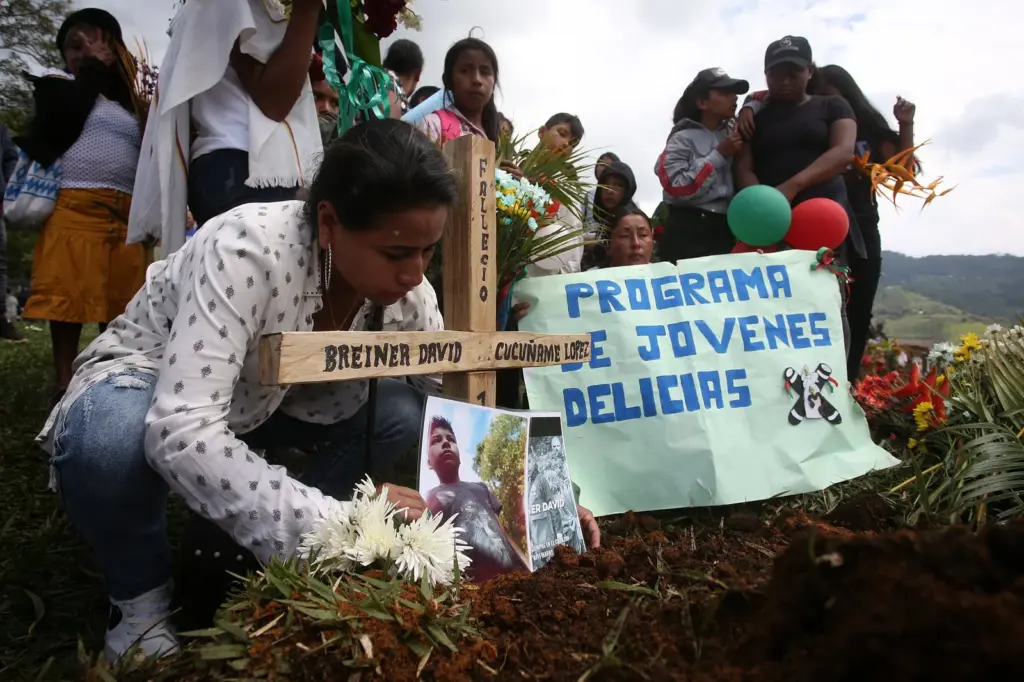
The names of the 39 people murdered in Colombia in 2025 appear in the tribute section of the report. Most of them died in the same handful of departments, for the same reason, and at the hands of the same actors. The challenge, as the data show, is not to identify the pattern: it is for the State to act on it.
EDWIN CAICEDO
Environment and Health Journalist
@CaicedoUcros