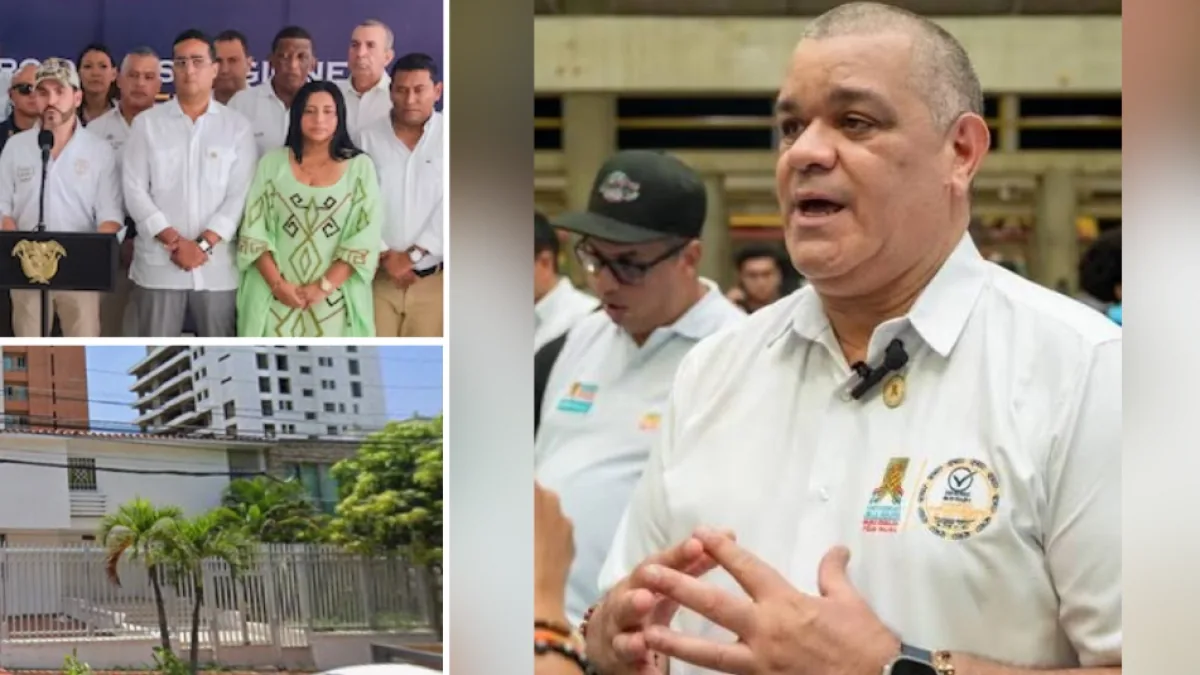





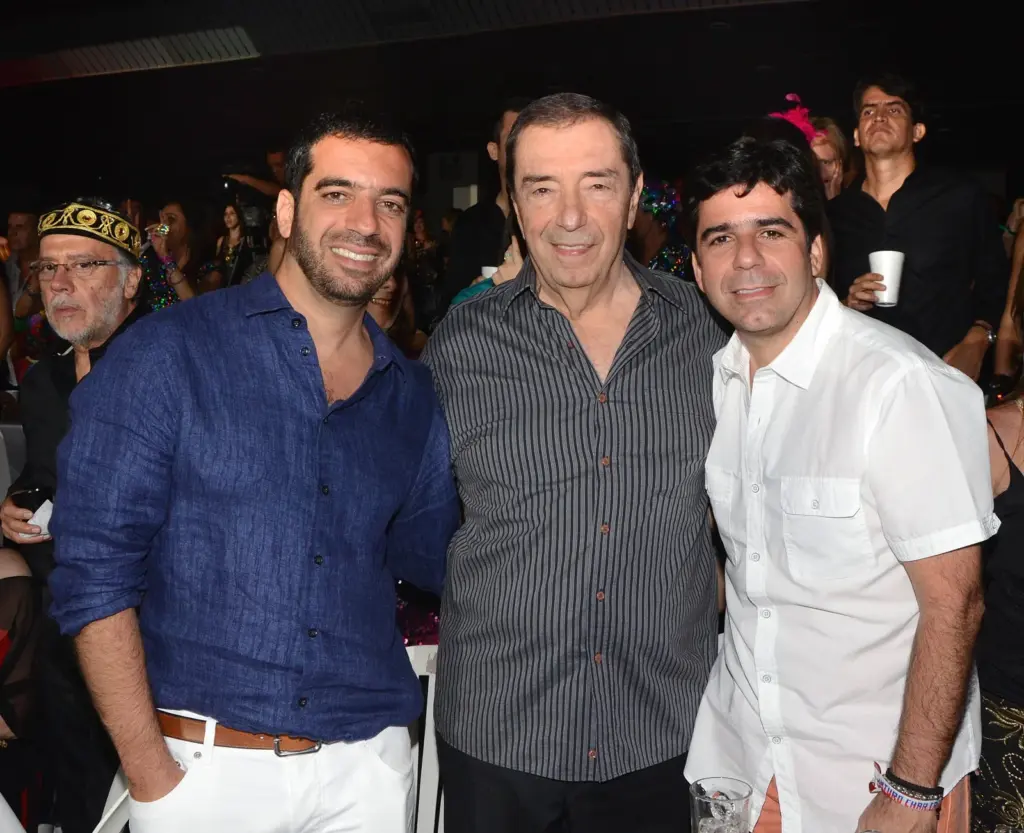
The so-called Char house will undoubtedly play a key role in the new four-year term. The president-elect Abelardo De La Espriella will not only dispatch from Barranquilla, in his political territory, but also appointed Elsa Noguera, a recognized Char supporter, as Minister of Transport.
That is why the decision a week ago, to uphold the indictment against Arturo Char, one of the heirs of that political caste, shook them politically and judicially. In fact, 4 years ago – the statements of one of the protagonists of the case, Aida Merlano – impacted the political aspirations of other Char supporters.
The dissenting opinion
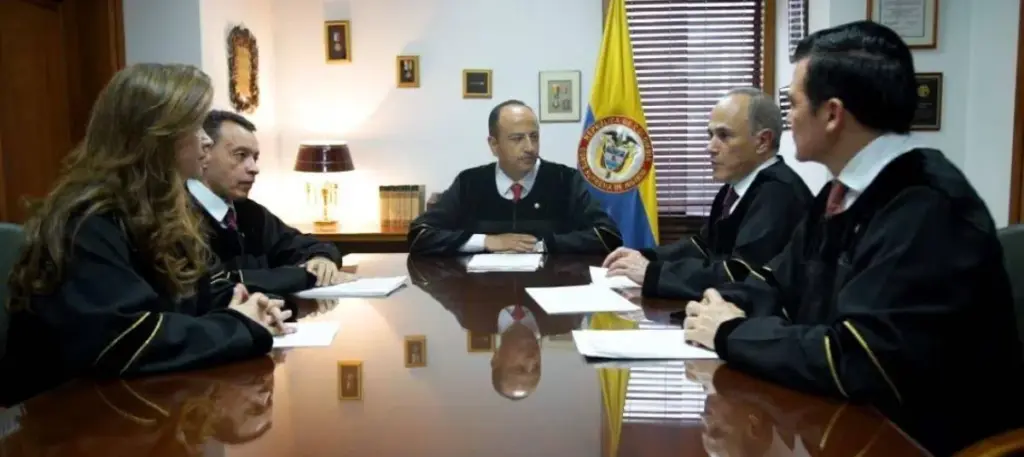
The Supreme Court’s decision was clear: it upheld the indictment of the former senator of the main political clan of the Atlantic for conduct such as aggravated conspiracy to commit a crime and voter corruption, related to the 2018 legislative elections.
The high court denied a motion for reconsideration filed by his defense in December 2025, after Char was released due to expiration of terms, in January 2024.
A day after the elections, authorities found electoral certificates, cash, and stickers with barcodes and readers in the so-called ‘White House’ – Aida Merlano’s headquarters –.
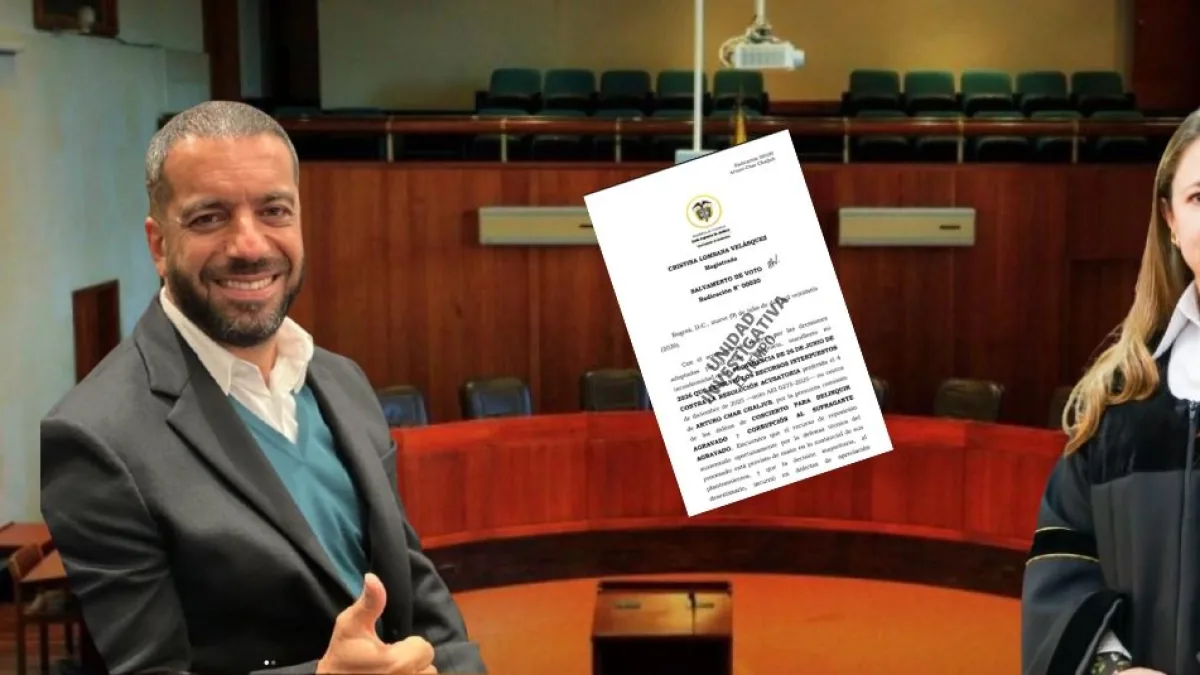
A week after the decision against Arturo Char, EL TIEMPO learned of a dissenting opinion from Magistrate Cristina Lombana, which some consider a possible legal lifeline.
Cassation?
“I find that the motion for reconsideration, timely supported by the technical defense of the accused, is substantially well-founded in its arguments, and that the majority decision, by dismissing it, incurred in defects of evidentiary appreciation of sufficient entity to eventually structure grounds for cassation,” reads the dissenting opinion that has already been filed along with the final decision.
For Lombana, the question the Chamber should have answered was not whether the existence of an illicit electoral enterprise organized around the so-called “White House” is accredited in the proceedings – which is not disputed –, but whether the evidentiary material is sufficient within the process against Char.
In Lombana’s opinion, the answer is negative, for the legal reasons that the defense set forth in the motion filed in December.
‘Political ties’
For the magistrate, the majority in the chamber did not differentiate with the necessary precision the general existence of an electoral criminal structure; the political or personal ties of some of its members; and the concrete, conscious, and criminally relevant intervention of the accused in the criminal agreement.
(Consult all articles from EL TIEMPO’s Investigative Unit here)
And she is emphatic that “when the incriminating support remains on a plane of suspicion, contextual compatibility, or inconclusive inference, the procedural consequence cannot be the accusation, but the preclusion of the investigation, in harmony with Article 7 of Law 600 of 2000, which orders resolving all doubt in favor of the accused.”
And she recalls that a preclusion study she presented, as a chamber in the first qualification project, and which was not discussed by the Chamber according to internal regulations, for reasons that have not yet been clearly explained, precisely highlighted this evidentiary difficulty, concluding that the imputation formulated against Arturo Char lacked circumstantial evidentiary support and that, through indirect evidence, it was also not possible to issue an accusation against him.
INVESTIGATIVE UNIT
u.investigativa@eltiempo.com
@UinvestigativaET
Follow us now on Facebook