






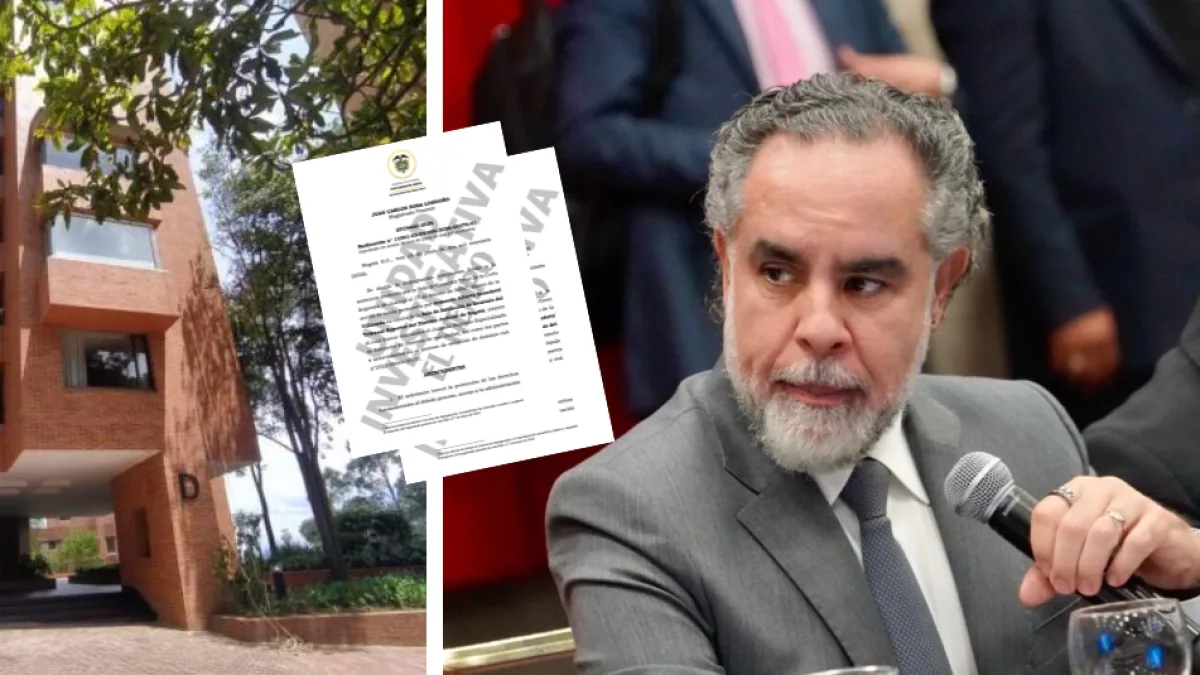
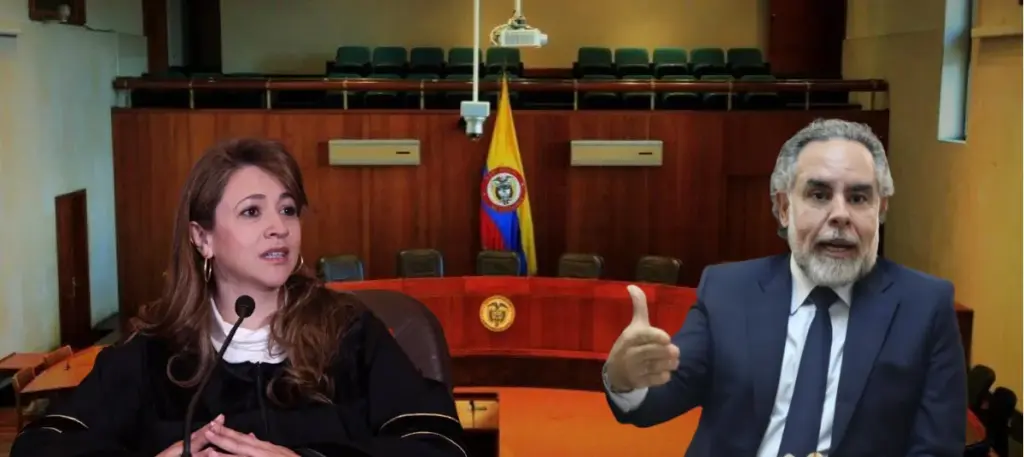
The Civil Cassation Chamber of the Supreme Court of Justice has just denied a tutela filed by the Minister of Interior, Armando Benedetti.
The case is linked to a decision made by the Asset Forfeiture Chamber of the Superior Court of Bogotá against several of Benedetti’s assets due to the ongoing process for alleged illicit enrichment.
The apartment in Rosales
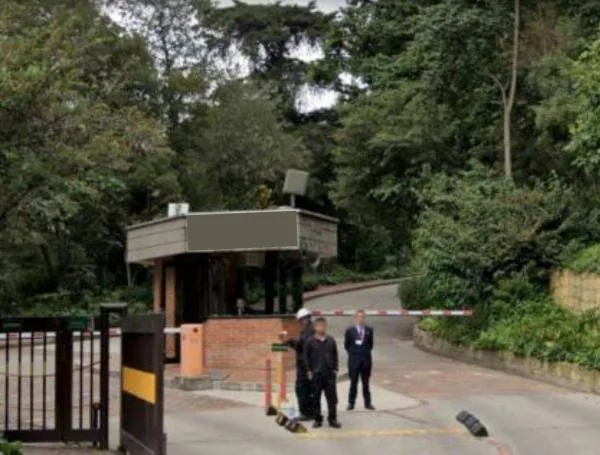
In the tutela, Benedetti alleged that his fundamental rights were violated after the Court approved precautionary measures on an apartment on Transversal tercera with Calle 85 in northern Bogotá, in the exclusive Rosales sector.
The precautionary measure was taken in 2021 by the Specialized Prosecutor’s Office 13 of the Directorate of Asset Forfeiture Law to prevent the property from being negotiated or transferred to other persons to conceal its alleged illicit origin.
Additionally, patrimonial rights derived from a residential leasing contract for 43 million pesos were affected, which correspond to the down payment for the purchase of a property where Benedetti’s office is located.
And although since September 2022 EL TIEMPO revealed that the Second Specialized Court of Asset Forfeiture of Bogotá declared the embargo on the apartment in Rosales and the residential leasing illegal due to a legality control filed by Benedetti’s defense, led by Billy Torres, last January the Superior Court of Bogotá revoked part of that order, whereby the minister’s assets were again affected, and he filed a tutela.
Family home
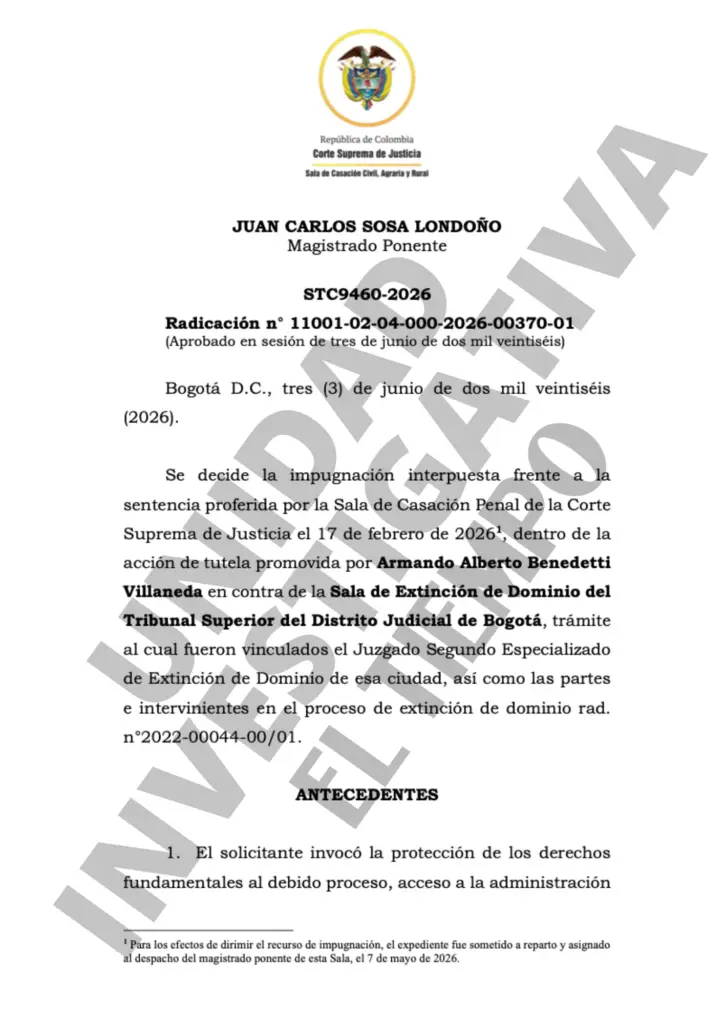
In the appeal, the minister argued that, in his case, the accounting reports only evidenced an asset to be justified and not unjustified.
Furthermore, a previous expert opinion concluded the existence of reasonableness in his patrimonial increases, resources, and bank movements.
He also argued that the property is a family home: “He alleged the improper assessment of the error of direct violation of the Constitution by not considering that the property constitutes the family home where there are minors, a circumstance that, according to the appellant, required a particularly rigorous assessment of the proportionality of the embargo and seizure.”
And he added: “He requested to revoke the appealed ruling and, instead, protect his prerogatives, ordering the issuance of a new decision that justifies the necessity of the measures, specifies their scope, adequately assesses the evidentiary standard, and considers the rights of the family unit.”
The Court’s arguments
The court denied the tutela, arguing that the decision by the Asset Forfeiture Chamber of the Superior Court of Bogotá was not arbitrary or capricious: “On the contrary, it relied on sufficient motivation in which both relevant regulations and jurisprudence were applied.”
And it added: “The challenged authority resorted to precautionary measures of suspension of disposal power, as well as embargo and seizure of a property and the rights derived from a residential leasing contract, whose judicial legality control was activated in a timely manner and was resolved under a standard of probability and not certainty, given the current state of the process.”
Furthermore, the Court assured that Minister Benedetti’s dissatisfaction was not sufficient to reopen a discussion already defined by the natural judge: “For this Chamber has specified that it is not enough for the decision to be debatable or unconvincing, but rather that it must be affected by blatant, manifest errors lacking any objective basis, circumstances that are far from being configured here.”
(Consult all articles from EL TIEMPO’s Investigative Unit here)
And they mention that an intention of the minister to impose his personal appreciation and interpretation of the legal system against the criterion of the trial judge was evident.
INVESTIGATIVE UNIT
u.investigativa@eltiempo.com
@UinvestigativaET
Follow us now on Facebook