




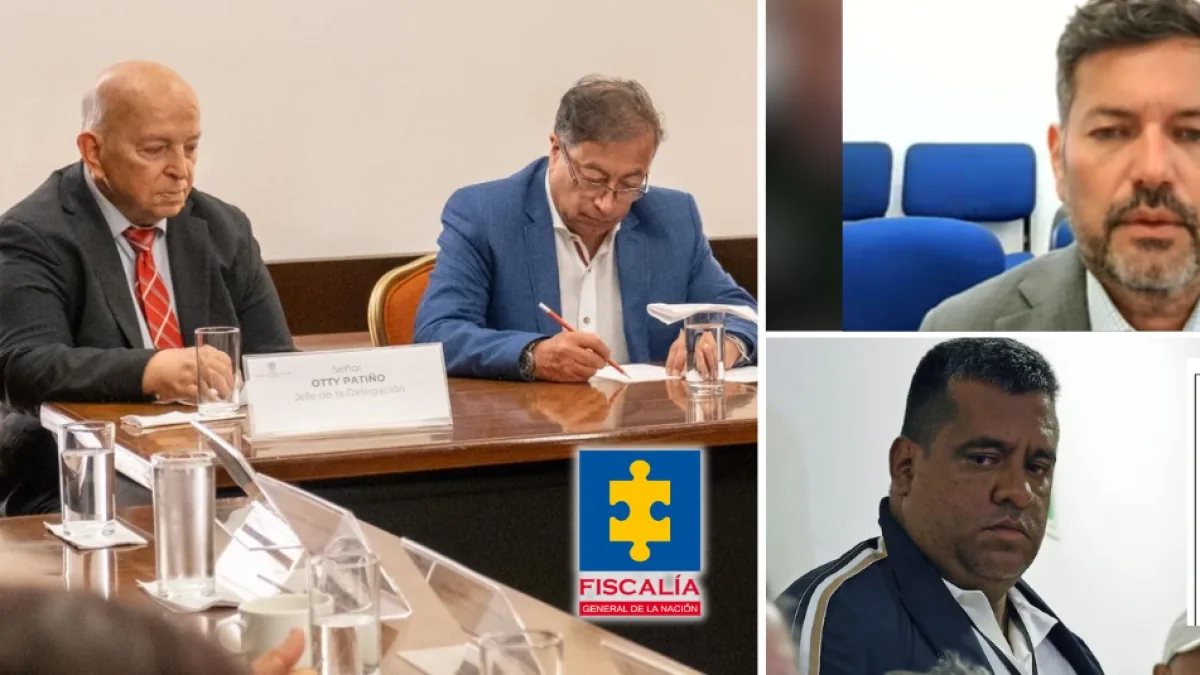
The Attorney General’s Office claims to have sufficient evidence to prove that one of the first peace managers appointed by Gustavo Petro’s government is the financial operator of a powerful drug trafficking network.
EL TIEMPO revealed exclusively that, despite the existence of a resolution accrediting him to verify the real will for peace and reintegration into civilian life of the residual organized armed groups, he was captured last Friday in a luxurious condominium in Chía.
He is the lawyer from Cali Luis Carlos Vélez Romero, a fair-skinned man with light hair who claims to be a member of the Inga council of Condagua in Cauca because he is married to one of its members.
‘I just found out’
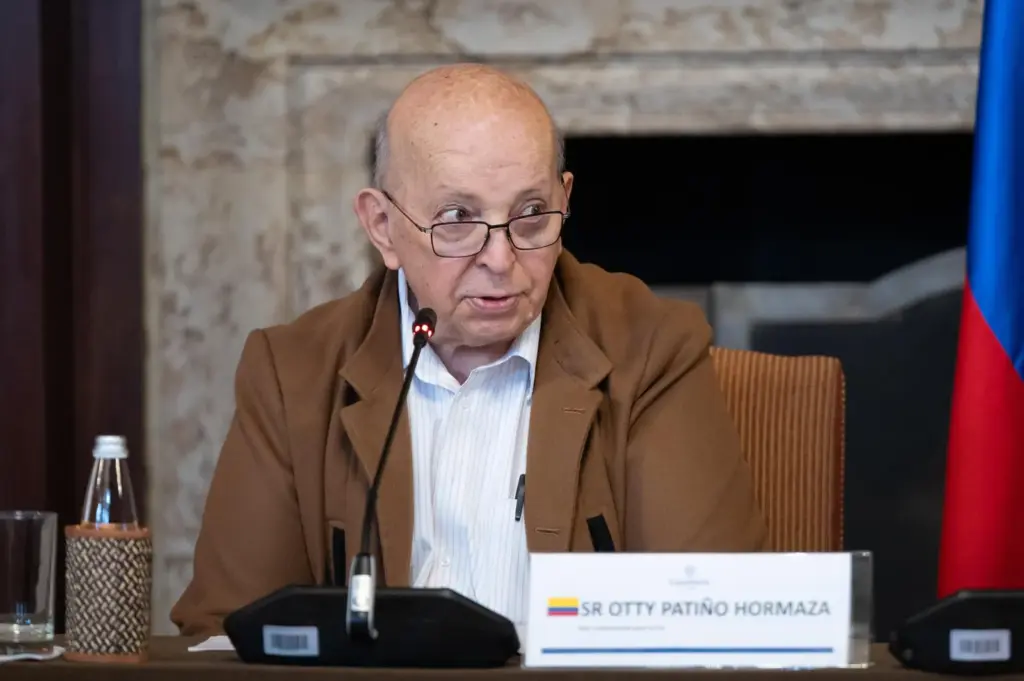
EL TIEMPO contacted the Peace Commissioner, Otty Patiño, to ask about the capture of the peace manager and he began by stating that he did not know who alias El Mono is: “I just found out, and I’m not interested. I don’t know who he is. We are the Peace Advisory, not investigators.”
He added: “No body has their hands tied to judge or capture a peace manager. Most are implicated as drug traffickers, and we know that. If there is no ceasefire with the group and if the person is committing crimes outside the peace management area, the Attorney General’s Office must act. One of the reasons is for them to abandon these types of illicit economies.”
Regarding the Attorney General’s accusations about the lack of arguments to support the resolution of his predecessor Danilo Rueda, he stated: “What we do is talk to these criminals, we don’t verify who they are. The approval for these types of resolutions comes from the Attorney General’s Office.”
Shadow of the narco-driver
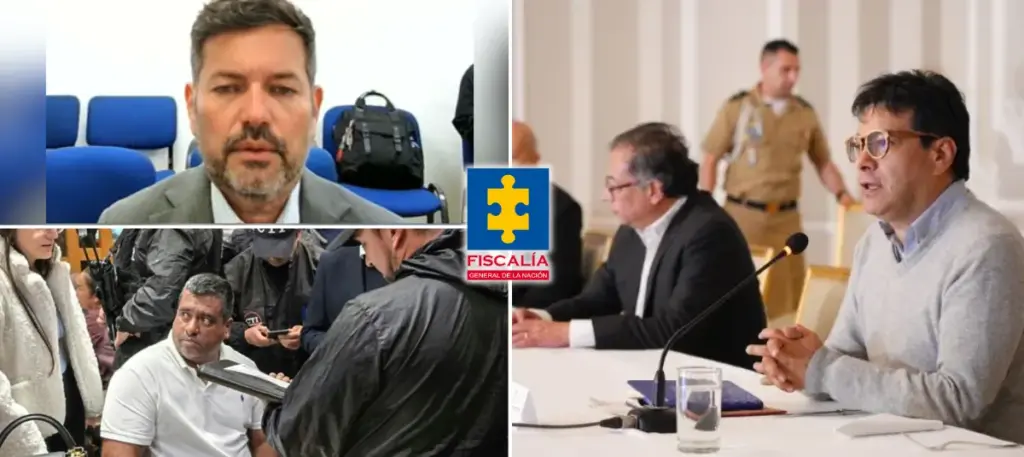
For the Attorney General’s Office, Luis Carlos Vélez is the logistical and financial operator of a drug trafficking network that moved nearly three tons of cocaine, marijuana, and even chemical precursors.
And although his lawyer claims he is a respectable attorney and head of household, the prosecution presented evidence indicating that his client ordered and financed at least 11 drug shipments in 2022, two of these (161 and 212 kilograms) while Danilo Rueda, the peace commissioner at the time, appointed him as a peace manager.
The case gained greater relevance when EL TIEMPO published that the cocaine is the same that was moved using armored vehicles from the National Protection Unit (UNP) and that the main witness against Vélez Romero turned out to be Manuel Castañeda Bernal.
He is the former police officer who was captured in December 2022 in Totoró, Cauca, transporting 168 kilos of cocaine in a Toyota assigned to the security detail of Ronald Rodríguez Rozo, former deputy director of Protection at the UNP.
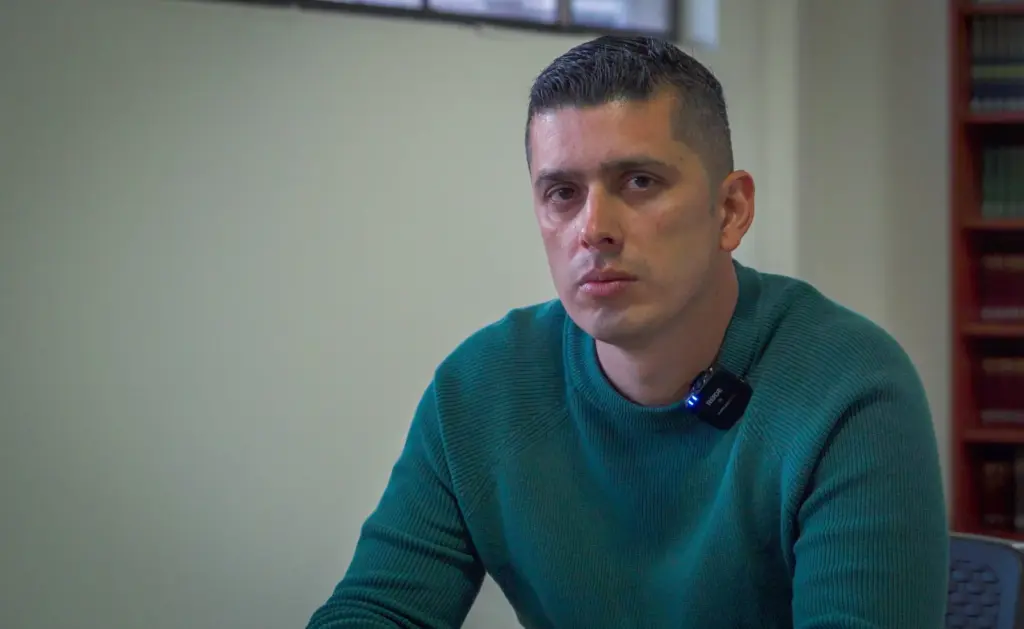
According to the prosecution, Vélez Romero used his status as a peace manager and member of a council to promise the narco-driver’s wife that he would help free him.
In fact, he appears withdrawing from his bank account and depositing 10 million pesos to pay for Castañeda’s lawyer.
The trail of ‘Araña’
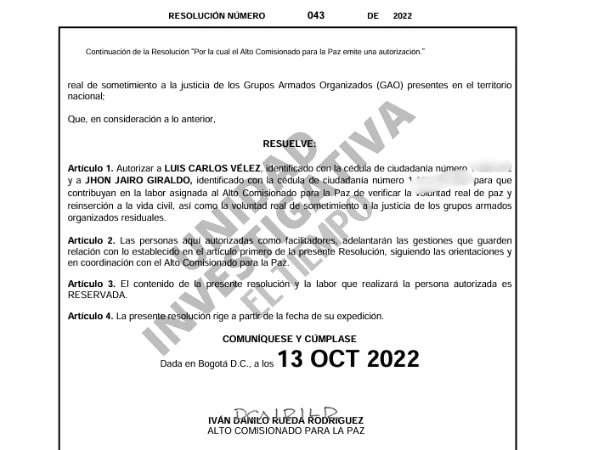
The latter, in an interview with EL TIEMPO, stated that he met Vélez Romero with the aliases El Mono, ‘Dorian’ or ‘D’: “He was alias JJ’s delegate for the payments of the drugs I transported in UNP vehicles nationwide. And he was the one I kept in constant communication with. This is not something I’m making up or based only on testimonies. This is based on technical evidence that the Attorney General’s Office has.”
He gave another detail implicating another manager: “When we entered the camps where sometimes we had to pick up the drugs, because we entered in UNP vehicles, and to leave certain territories we had to identify ourselves or say on whose behalf we were going. And the instruction from ‘JJ’ specifically was to say it was on behalf of alias Araña.”
The latter is Giovanni Andrés Rojas, leader of the so-called ‘Border Commandos’. Alias Araña was sentenced to 29 years in prison for crimes committed when he belonged to ‘los Rastrojos’. In 2017 he was released as a peace manager, but later returned to hiding.
But in 2024 and 2025 he was appointed a member of the negotiating delegation of the ‘Border Commandos’ within the ‘total peace’ policy and is also wanted for extradition by the United States. Within the file, the Attorney General’s Office has not yet mentioned ‘Araña’, but it has mentioned a second peace manager from the Petro government.
The other manager
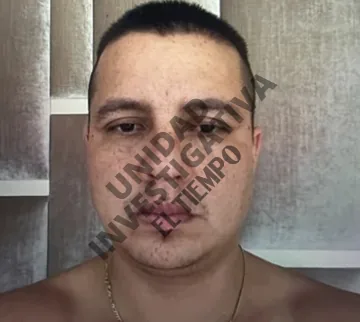
He is Jhon Jairo Giraldo Portilla, who also appears in the resolution signed by commissioner Danilo Rueda that EL TIEMPO revealed.
Judicial sources told this newspaper that there is information indicating that alias JJ has undergone surgeries to evade justice.
“We deduce he is alias Araña’s cousin because he himself said so and people involved in the process told us he was this man’s cousin and was the invisible drug trafficker he used to carry out his misdeeds,” Castañeda said in an interview with this newspaper (see attached note).
The identity of ‘JJ’ was mentioned in the hearing for the legalization of capture and preventive detention against Vélez Romero. According to the prosecution, there is technical and testimonial evidence that he participated in drug shipments that left Belalcázar (Cauca) and ended in Caquetá, Antioquia, Meta, Valle, and even La Guajira.
The defense and the council
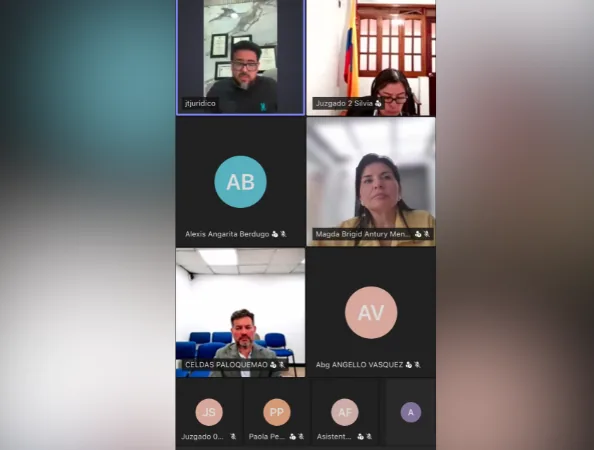
Vélez’s lawyer stated that the narco-driver was a liar, with more than 70 fraud complaints. And that the other witnesses lacked probative validity because they were Castañeda’s wife and cousin (also prosecuted). He refused to be placed in custody, claiming he was a member of a council, to which he could be sent because he is a head of household.
(Check here all the articles from EL TIEMPO’s Investigative Unit)
The judge dismissed his arguments and ordered him sent to prison while the case proceeds. The decision was appealed by his lawyer.
INVESTIGATIVE UNIT
u.investigativa@eltiempo.com
@UinvestigativaET
Follow us now on Facebook