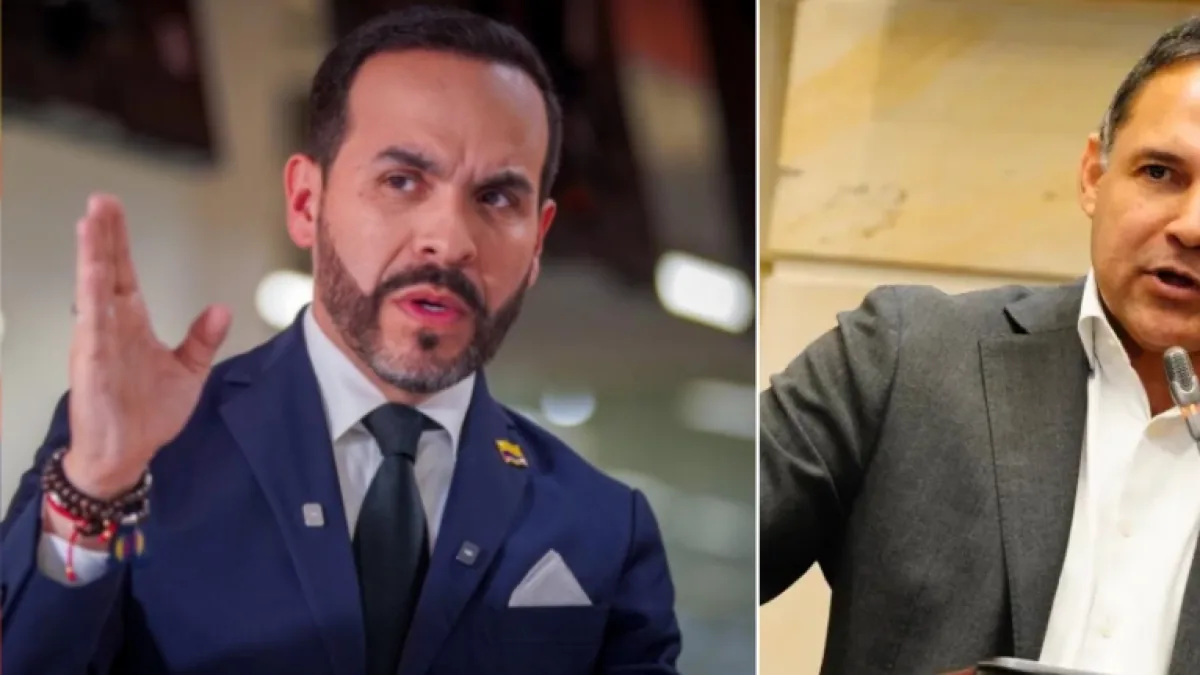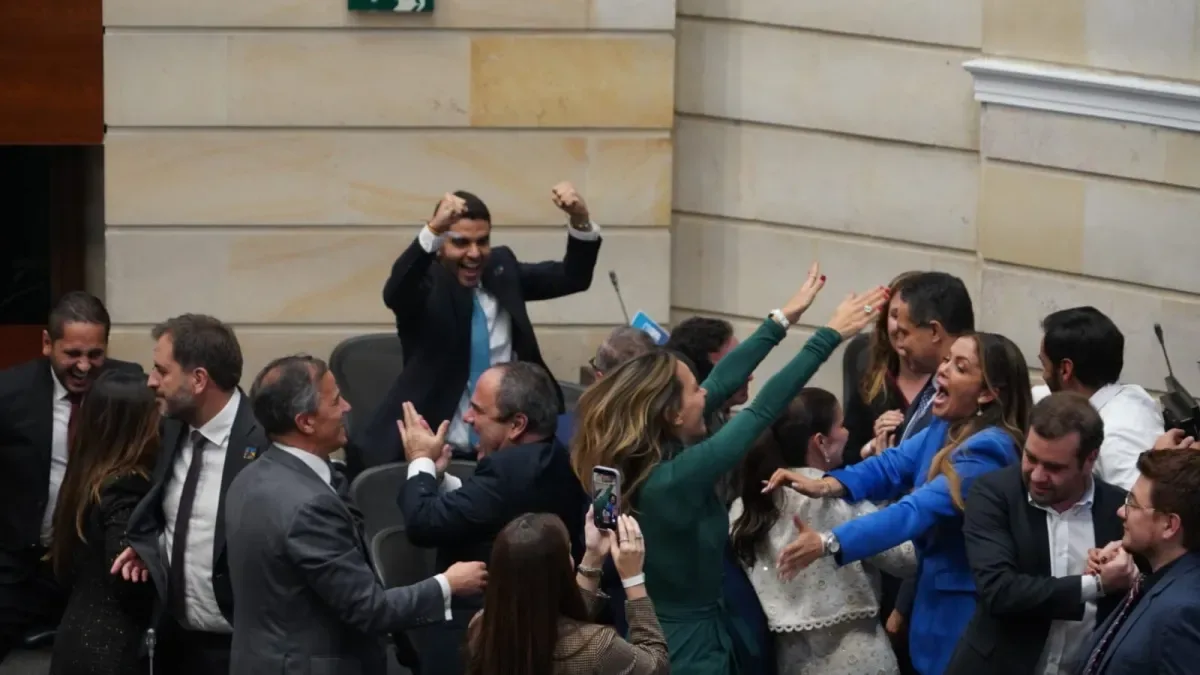








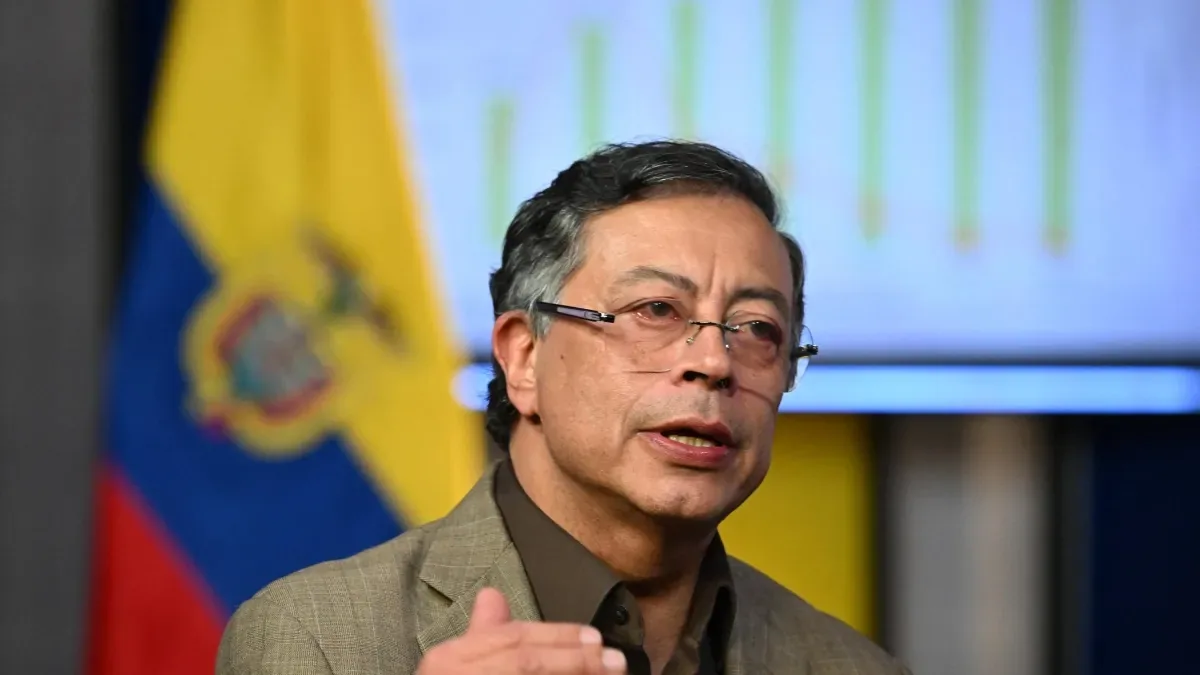
With the official scrutiny, which confirmed that candidate Abelardo de la Espriella led the votes with a total of 10’366.143 ballots, followed by Iván Cepeda, with 9’703.921, President Gustavo Petro’s rejection of the pre-count was unfounded. However, the president has not commented on the most recent results.
Through a publication on X, the head of state, who has improperly participated in the political campaign in favor of Cepeda, indicated that there was manipulation of the electoral census, for which he would not recognize the pre-count results until they were confirmed by the scrutiny.
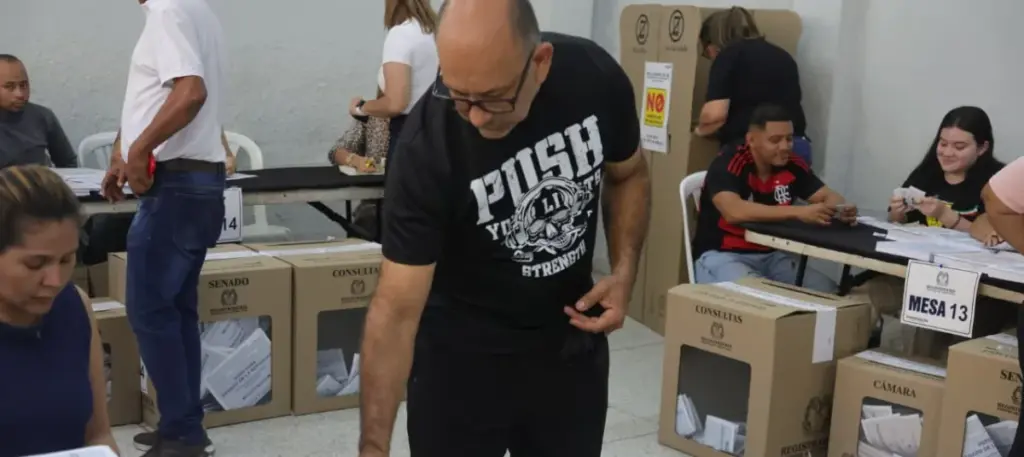
According to the version presented by the President, the electoral software would have been modified on two occasions in order to increase the number of registered citizens as well as the number of polling stations. However, this hypothesis was strongly questioned because the pre-count system has the sole function of collecting and transmitting information from the polling stations, so it does not handle or store databases of citizen ID cards.
Additionally, different sectors rejected his statement, as the process was subjected to a permanent audit and oversight for two weeks. During that period, the source code was made available to all political parties for review and was also handed over to the Attorney General’s Office, which had the responsibility of safeguarding it.
Likewise, the international organizations that accompanied the election day, including the Electoral Observation Mission (MOE) of the European Union and the OAS, highlighted the transparency and institutional strength of the Colombian electoral system. Their evaluations supported the development of the process and the reliability of the voting and scrutiny mechanisms.
In the case of the MOE, its report demonstrates that the information provided by the National Registry shows technical consistency, which allowed for the discarding of anomalies in the formation of the electoral census data, voting data, and the distribution of polling stations. In fact, its director, Alejandra Barrios, assured that “for the MOE, the issue of fraud is already overcome”.
Regarding the European Union Mission, its head, Esteban González Pons, highlighted that the elections were conducted in a calm, organized, and transparent manner, without any serious incidents being recorded, and emphasized the broad presence of witnesses from the different political campaigns during the day.
For Erick Rincón, dean of the Faculty of Jurisprudence at the Universidad del Rosario, the definitive results constitute a demonstration of the institutional strength of the Colombian electoral system. “That the official scrutiny yielded a 99,94 percent coincidence with the preliminary data is, precisely, a demonstration of the technical and institutional solidity of the Colombian electoral system, further endorsed by more than 1,500 international observers. This should be a reason for citizen confidence and not anxiety,” he stated.
Thus, despite the doubts raised by Iván Cepeda about possible irregularities in the pre-count, the Historical Pact candidate acknowledged this Monday that he had no evidence to support the allegations of alleged electoral fraud and rectified his previous statements.
As Mery Castillo, a professor at the Universidad del Rosario in the Faculty of International, Political and Urban Studies, explains, “for Cepeda, the act of accepting the results helps him project an image of moderation and autonomy and focus on other issues more urgent for his campaign.”
However, in the case of President Petro, his silence regarding the scrutiny results and the due electoral process has sparked multiple interpretations. Erick Rincón explains that it is possible that this “responds to a strategic calculation oriented towards the second round on June 21: maintaining an atmosphere of uncertainty can function as a factor for mobilizing the sympathetic electorate.”
Now, Rincón maintains that, beyond the electoral conjuncture, the President has the responsibility to contribute to the country’s institutional stability. In this sense, he believes that his statement recognizing the scrutiny results would be consistent with his commitments and would help to strengthen citizen confidence ahead of the second round.
Given this scenario, analysts agree that the strength of a democracy largely depends on political leaders and institutions clearly and timely supporting the rules, bodies, and procedures that guarantee the functioning of the democratic system.
ELENA BERMÚDEZ RIVERA
Political Editorial Staff